Selasa, 12 November 2024
The Ultimate Guide to Keeping Septic Tanks from Smelling
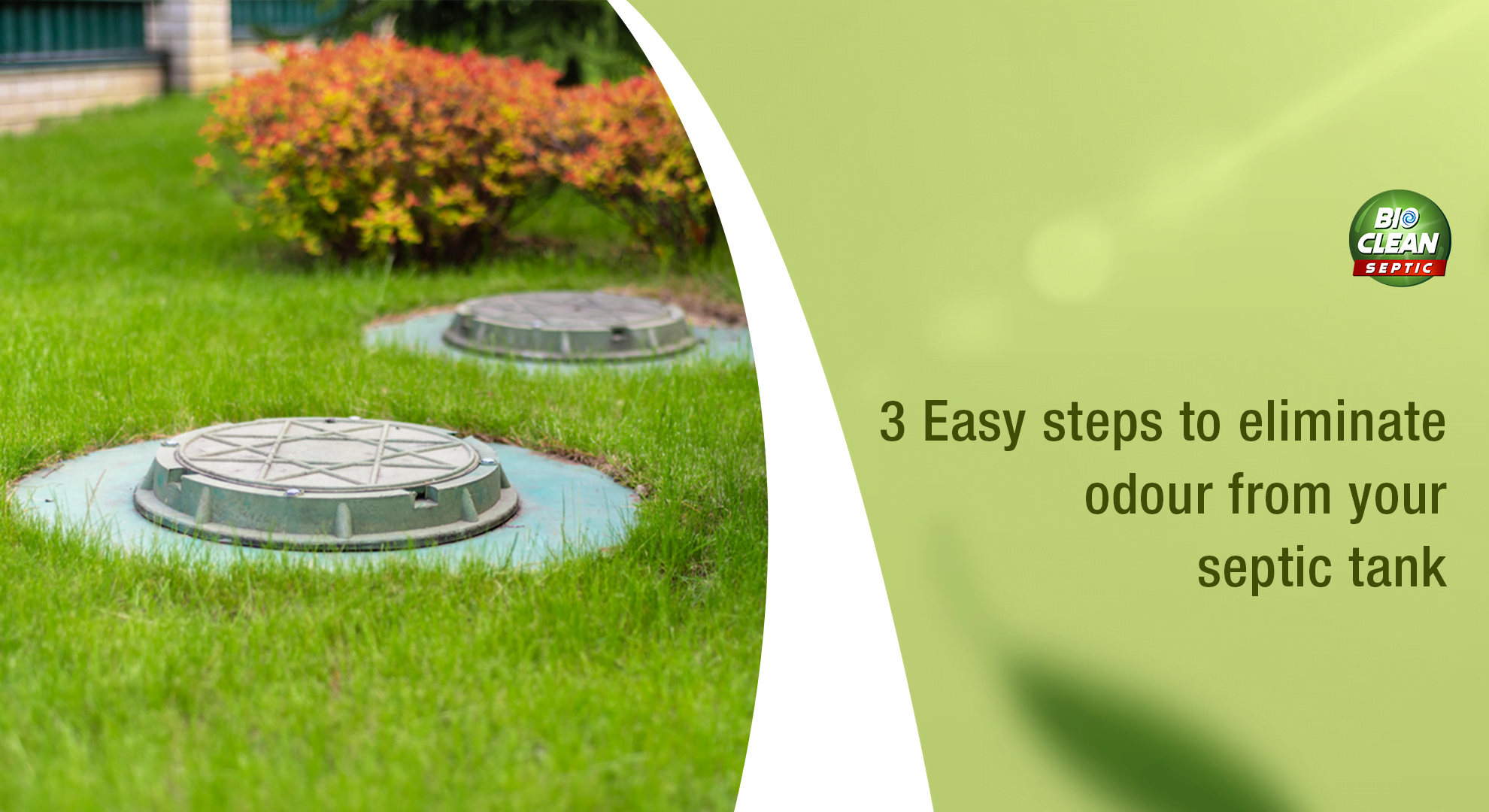
The Ultimate Guide to Keeping Septic Tanks from Smelling: A Comprehensive Guide
Living with a septic system comes with its own set of challenges, and one of the biggest culprits is the dreaded septic tank smell. You know the one: that pungent, earthy odor that wafts through your house, reminding you that you're dealing with a little bit of nature in your backyard. But fear not, my friends! Just because you have a septic system doesn't mean you have to live with a smelly house.
This guide will equip you with everything you need to know about conquering that unpleasant odor. We'll delve into the root causes, explore effective solutions, and provide practical tips to help you maintain a fresh-smelling home, even with a septic system. So, grab a cup of coffee, settle in, and let's banish that septic stench for good!
Understanding the Source of the Septic Smell
First, let's get down to the nitty-gritty: why does your septic tank smell? The answer lies in the breakdown process that happens within the tank. Septic systems rely on bacteria to break down waste, and during this process, certain gases are released, including hydrogen sulfide, ammonia, and methane. These gases can escape into the air, creating that distinctive odor.
Here are some common culprits behind the smell:
- Overloading the Tank: When you flush too much waste down the drain, it overwhelms the bacteria's ability to break it down. This can lead to a buildup of solids and a release of pungent gases.
- Improper Maintenance: A septic tank needs regular maintenance like pumping out the sludge and scum. If you neglect these tasks, the tank becomes inefficient and prone to odors.
- Cracked or Leaky Pipes: If the pipes connected to your septic system are cracked or leaking, it can allow waste and gases to escape into the surrounding soil and air, causing a stench.
- Improper Drainage: If your leach field is not properly draining, wastewater can back up and cause a foul odor.
- Faulty Vent System: The vent system in your septic system allows gases to escape safely into the atmosphere. A blocked or faulty vent can trap gases, leading to odors.
- Dry Weather: Believe it or not, dry weather can actually worsen septic smells. When the ground is dry, the soil doesn't absorb the gases as effectively, causing them to rise to the surface.
Solutions to Banish Septic Smells
Now that we understand why those smells occur, let's talk about how to eliminate them:
1. Proper Maintenance: The Key to a Happy Septic System
This might sound obvious, but regular maintenance is the most crucial step in preventing septic smells. A well-maintained septic system is a healthy septic system.
- Pumping: Your septic tank needs to be pumped every 3-5 years, depending on its size and usage. This helps to remove the sludge and scum that accumulate at the bottom.
- Inspection: Get your septic system inspected by a professional every year or two. This helps to identify any potential issues early on, before they become bigger problems.
- Avoid Overloading: Be mindful of what you flush down the drain. Avoid putting things like grease, oil, coffee grounds, and other non-biodegradable items down the sink. These can clog your pipes and overload your system.
2. Keep the Leach Field Happy
The leach field is the silent hero of your septic system, slowly and steadily filtering wastewater. To ensure it's doing its job properly, follow these tips:
- Avoid Heavy Vehicles: Don't park heavy vehicles or machinery on or near the leach field. It can damage the drainage pipes and disrupt the filtration process.
- Keep it Dry: If the area is prone to flooding, consider installing a drainage system to redirect water away from the leach field.
- Proper Landscaping: Avoid planting trees or shrubs too close to the leach field, as their roots can damage the pipes.
3. Don't Forget the Vent System
Your septic system's vent system allows gases to escape into the atmosphere. Make sure this system is functioning properly:
- Inspect for Blockages: Check the vent pipes for any blockages, especially if you notice a buildup of pressure or odors.
- Clean the Vent: If you have a vent stack on your roof, make sure it's free of debris and obstructions.
4. Natural Solutions for Odor Control
If you're looking for eco-friendly solutions to combat those odors, consider using natural options:
- Baking Soda and Vinegar: Pour a cup of baking soda down your drain, followed by a cup of white vinegar. Let it fizz and bubble for a few minutes, then flush with hot water. This helps to neutralize odors and break down grease.
- Citrus Peels: Toss some orange or lemon peels down your drain to release a refreshing scent and help with odor control.
- Essential Oils: Add a few drops of your favorite essential oil, such as lemon, lavender, or peppermint, to a spray bottle filled with water. Spray it around your house for a fresh and clean scent.
5. Home Remedies for Septic Smells
Some quick fixes can help to mask those odors:
- Air Fresheners: While this isn't a long-term solution, air fresheners can help to cover up the smell temporarily.
- Charcoal: Place bowls of activated charcoal around your home to absorb odors.
- Houseplants: Some houseplants, like spider plants and peace lilies, are known to purify the air and neutralize odors.
Prevention is Key: Maintaining a Smells-Free Home
Prevention is always better than cure. By following these simple tips, you can minimize the chances of your septic system becoming a smelly nuisance:
- Conserve Water: Take shorter showers, fix leaky faucets, and avoid running the washing machine or dishwasher with small loads. This reduces the amount of water that goes into your septic system, lessening the strain on the bacteria.
- Flush Wisely: Avoid flushing items like baby wipes, paper towels, and feminine hygiene products, as they are not easily biodegradable and can cause clogs.
- Invest in a Septic Tank Treatment: Consider using a septic tank treatment product that helps to break down waste more efficiently and prevent odors.
When to Call a Professional
Sometimes, a little DIY won't cut it. If you're experiencing severe or persistent septic smells, despite your best efforts, it's time to call a professional.
- Professional Inspection: A professional septic tank inspector can pinpoint the source of the smell and recommend the best course of action.
- Pumping and Maintenance: They can provide expert pumping and maintenance services to ensure your septic system is running smoothly.
- Repairs and Upgrades: If there are any cracks, leaks, or other issues, a professional can make the necessary repairs or upgrades to fix the problem.
Remember, a smelly septic system is a sign that something isn't right. Don't let it go unchecked, as it can potentially lead to more serious problems.
Conclusion: A Fresh Start for Your Septic System
Armed with this comprehensive guide, you now have the knowledge and tools to tackle septic smells and keep your home fresh and pleasant. Remember, regular maintenance, proper usage, and a little bit of proactive action can make a world of difference. By following these tips, you can say goodbye to those unwelcome odors and enjoy the peace of mind that comes with a well-maintained septic system.

Tidak ada komentar:
Posting Komentar
Catatan: Hanya anggota dari blog ini yang dapat mengirim komentar.