Minggu, 17 November 2024
Effective Septic Tank Odor Fixes You Can Try Today
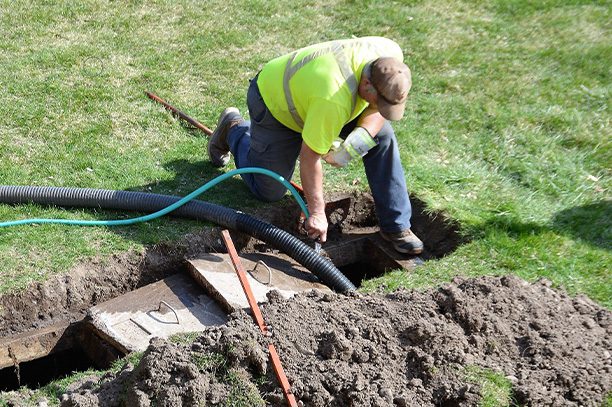
Effective Septic Tank Odor Fixes You Can Try Today
Let’s face it, a smelly septic tank isn’t exactly the best house guest. That lingering sewage aroma can make your home feel less than inviting. Luckily, there are several effective solutions you can try to banish those odors for good! We’re going to cover everything from the basics to more advanced methods, so grab your handy dandy cleaning supplies and let’s dive in!
Understanding the Source of the Smell
Before we get into the fixes, it’s important to understand where that nasty odor is coming from. Think of your septic system as a mini ecosystem. When waste water enters the tank, bacteria break it down, creating a layer of sludge at the bottom and a layer of scum on top. The real issue arises when things get out of whack:
- Overloading the Tank: Too much waste in the tank can overwhelm the bacteria’s ability to break it down, leading to backups and those unfortunate smells.
- Failing Drainfield: The drainfield is responsible for filtering the treated water, and if it’s not working properly, the water can back up and create a pungent odor.
- Clogged Pipes: If your septic system’s pipes are blocked, the waste can’t flow properly, creating backups and that telltale sewer smell.
- Improper Vent: The septic tank vent helps to release gases, and if it’s blocked or damaged, the smell can linger in your home.
Quick Fixes: Banishing Odors Fast
If you’re dealing with a sudden septic smell, these quick fixes can help you get the situation under control:
1. Flush with Water and Baking Soda
Give your pipes a little TLC by flushing them with a mixture of baking soda and hot water. Pour a cup of baking soda down the drain, followed by a pot of boiling water. The baking soda will help to deodorize and break down grease, while the hot water will loosen any debris.
2. The Power of Enzymes
Septic tank enzyme products contain beneficial bacteria that help to break down waste and reduce odors. These products are safe for your septic system and can be purchased at most hardware stores. Just follow the manufacturer’s instructions for best results.
3. The Old-Fashioned Remedy: Bleach
In a pinch, bleach can help to disinfect and neutralize odors. Be sure to follow the instructions carefully, as too much bleach can actually harm your septic system. It’s best to use bleach as a last resort and not as a regular solution.
Longer-Term Solutions for a Fresh-Smelling Home
Once you’ve tackled those immediate odors, it’s time to address the root cause. These long-term solutions can help prevent smells from returning:
1. Regular Pumping: The Key to a Healthy System
The gold standard for septic system maintenance is regular pumping. Your tank should be pumped every 3-5 years depending on your household size and usage. This removes the accumulated sludge and scum, giving the bacteria room to work their magic. A licensed septic service professional can handle this for you.
2. The Right Products: What To Use (and What Not To)
Be mindful of what you’re pouring down your drains! Avoid harsh chemicals like bleach, drain cleaners, and anti-bacterial products. These can kill off the beneficial bacteria in your septic system, making it harder to break down waste. Stick to biodegradable products like septic tank additives.
3. DIY Drainfield Inspections: Keep an Eye on the Filtration
While it’s best to have a professional inspect your drainfield, you can do some basic checks yourself. Look for signs of water pooling around the drainfield area or any signs of lush vegetation growing there. If you notice anything unusual, it’s time to call a professional.
4. Maintaining Your Pipes: Preventing Backups
Prevent blockages by using a drain screen in your kitchen sink, running water after using the garbage disposal, and avoiding flushing anything other than toilet paper and human waste. Keep an eye out for slow drains, gurgling sounds, and any other signs of trouble. Regularly flushing with a mixture of baking soda and hot water can help prevent buildup in your pipes.
5. Ventilation is Key: Make Sure Your Vent is Working
Your septic tank vent helps to release those unwanted gases. Inspect the vent for any blockage or damage, and call a professional to repair it if necessary. A properly functioning vent is a crucial part of a healthy septic system.Commonly Asked Questions
Q: How Often Should I Pump My Septic Tank?
A: The general recommendation is every 3-5 years, but it can vary depending on your household size and usage. It’s best to consult with a septic service professional to determine the ideal pumping frequency for your specific system.
Q: Can I Use Bleach in My Septic Tank?
A: While bleach can temporarily neutralize odors, it’s not a good idea to use it regularly. Bleach kills off the beneficial bacteria in your septic system, which are essential for breaking down waste. Stick to septic tank additives designed specifically for your system.
Q: What if I’m Still Smelling Sewage?
A: If you’ve tried all of the above and are still experiencing odors, it’s best to call a professional septic service technician. They can diagnose the problem and recommend the best course of action. Remember, ignoring a septic system issue can lead to more significant problems and costly repairs in the long run.
With a little care and attention, you can banish those unwanted septic odors and enjoy a fresh-smelling home. Don’t forget to keep those basic hygiene tips in mind, and your septic system will thank you for it!

Tidak ada komentar:
Posting Komentar
Catatan: Hanya anggota dari blog ini yang dapat mengirim komentar.