Jumat, 22 November 2024
What’s the Fastest Way to Stop Septic Smell Before a Party?

Banish That Septic Smell Before Your Party!
A party is meant to be a celebration, not a nose-wrinkling contest! If a rogue septic smell threatens to derail your festivities, don't panic. With quick action and the right approach, you can conquer that odor and ensure your guests enjoy themselves. This guide provides a rapid-response plan to neutralize those unwanted aromas before your party even begins.
Immediate Actions: Quick Fixes for Fast Relief
Time is of the essence! The first steps involve addressing the immediate problem. This is about masking the smell temporarily while you work on the underlying cause. Think of these as your "first aid" for a stinky situation.
Strategic Odor Masking
Don't just spray air freshener haphazardly. Strategic placement is key. Focus on areas closest to the source of the smell, and don't be shy with the product. Consider using multiple types of air freshenersâ€"a room spray combined with scented candles or simmering potpourri can create a more robust and longer-lasting effect. Think about complementary scents; for instance, citrus blends well with cinnamon or clove to create a warm, inviting aroma that effectively combats unpleasant smells.
Ventilation, Ventilation, Ventilation!
Open every window and door to create a cross-breeze. If possible, use fans to actively pull the stale air out and replace it with fresh air. Focus on strategically placing fans to draw air *away* from the suspected septic area and out of the house. This is a crucial step in diluting the concentration of the odor-causing gases.
Addressing the Source: Long-Term Solutions
While masking the smell provides immediate relief, addressing the source is crucial for a long-term solution. This step prevents the smell from returning and ensures your party stays fresh throughout the event.
Identify the Culprit
Pinpointing the exact source of the septic smell is paramount. Is it emanating from a drain? Is there a possible leak in your septic system? Carefully inspect areas around drains, toilets, and any other plumbing fixtures. Look for standing water, unusual moisture, or signs of leakage. If you suspect a serious septic issue, contact a professional immediately. A minor crack or blockage can be a simple fix, but a significant problem requires expert attention.
Temporary Fixes for Minor Issues
For minor issues like slow drains, try these quick fixes:
- Pour a mixture of baking soda and vinegar down the drain to break up clogs.
- Use a plunger to dislodge any blockages.
- If you have a septic tank, avoid using excessive water or dumping grease down the drains, as this can exacerbate the problem.
Remember, these are temporary solutions. If the smell persists, professional help is needed to prevent further damage and odor.
Party Prep: Maintaining a Fresh Atmosphere
Once you've addressed the septic smell, proactive measures can help maintain a pleasant atmosphere throughout your party. This involves setting the stage for a fresh and inviting environment.
Keep it Clean
Ensure your bathroom and kitchen are sparkling clean. Empty trash cans regularly and keep surfaces wiped down to prevent any lingering odors from competing with your air fresheners. A clean space is always more inviting and less likely to amplify any residual smells.
Create a Pleasant Ambiance
Enhance your party's atmosphere with pleasant scents like freshly brewed coffee, baking cookies, or a delightful floral arrangement. These positive smells will naturally overpower any lingering traces of the septic odor.
By combining these immediate actions with long-term solutions and party-prep strategies, you'll ensure your party is a fragrant success, not a smelly disaster!

Rabu, 20 November 2024
My Experience with Eliminating Septic Tank Odors Using Essential Oils
Banishing Septic Tank Stench: My Essential Oil Success Story
For years, a persistent, unpleasant odor emanating from my septic tank plagued my property. It wasn't a constant, overwhelming stench, but a subtle, lingering hint of something foul that clung to the air, particularly on warm days. I tried commercial septic tank treatments with limited success. The smell would lessen temporarily, only to return with a vengeance. Desperate for a solution that was both effective and environmentally friendly, I turned to essential oils, a natural remedy I’d found success with in other areas of my home. What followed was a surprisingly effective, and surprisingly simple, journey to eliminating the septic tank odor completely.
Understanding the Source of the Smell
Before diving into my essential oil solution, I first investigated the source of the smell. Septic tank odors typically arise from gases produced during the breakdown of waste. These gases, including hydrogen sulfide and methane, escape through cracks in the tank, the lid, or even the vent pipe. Understanding this process was crucial to my strategy. Simply masking the smell with air fresheners was never going to be a long-term solution; I needed to address the root problem â€" neutralizing the gases and preventing their release.
My Essential Oil Weapon of Choice
After researching various essential oils known for their antibacterial and odor-neutralizing properties, I settled on a blend of three: tea tree oil, peppermint oil, and lemon oil. Tea tree oil is a powerful natural antiseptic, effectively tackling bacteria and fungi that contribute to the smell. Peppermint oil, with its strong, refreshing aroma, is excellent at masking unpleasant odors. Finally, lemon oil, besides its bright, uplifting scent, also possesses cleansing and deodorizing properties.
The Blending Process
I created a simple blend by combining 10 drops of tea tree oil, 15 drops of peppermint oil, and 10 drops of lemon oil in a small, dark-colored glass bottle. It's crucial to use a dark-colored bottle to protect the oils from light degradation. I then added about 1/2 cup of carrier oil â€" I used coconut oil because it's readily available and relatively inexpensive â€" to dilute the essential oils and create a more manageable solution. Proper dilution is key to prevent the essential oils from being too potent for the application method I chose.
Application and Results
I didn't pour the oil blend directly into the septic tank, as this could potentially disrupt the bacterial balance within the system. Instead, I opted for a more indirect approach. I soaked several cotton balls in the blend and placed them strategically around the septic tank lid and vent pipe. I replaced these cotton balls every three days. This method allowed the essential oils to release their fragrance into the surrounding air, neutralizing the odors before they could become noticeable.
The Transformation
Within a week, I noticed a significant reduction in the septic tank odor. The lingering stench was almost entirely gone, replaced by the fresh, clean scent of the essential oil blend. I continued this treatment for a month, replacing the cotton balls regularly. After a month, the odor was completely eliminated. It's been over six months since I last used this method, and the unpleasant smell hasn't returned.
Important Considerations
While this method worked wonders for me, it's important to remember that septic systems vary. Always consult a professional if you have concerns about your septic system or if the odor persists despite treatment. Moreover, ensure proper ventilation around your septic tank to allow gases to escape safely. This method is a supplemental measure and not a replacement for regular septic tank maintenance.
This natural, cost-effective approach proved incredibly effective in tackling my septic tank odor problem. It's a testament to the power of essential oils and a solution I wholeheartedly recommend trying if you’re facing a similar challenge.
How to Clear the Air: Removing Septic Tank Odor Indoors

How to Clear the Air: Removing Septic Tank Odor Indoors
Ugh, that smell. Nothing quite ruins a cozy evening like the unwelcome intrusion of a septic tank odor into your home. It’s embarrassing, unpleasant, and frankly, concerning. But don’t panic! While the smell is definitely a sign something's not right, it's usually fixable. This isn't a DIY plumbing project guide (leave that to the pros!), but it's a comprehensive guide to identifying the source and tackling that awful smell. Let's get to the bottom of it â€" literally.Identifying the Source: Where's That Stinky Stuff Coming From?
Before you start frantically spraying air fresheners (which will only mask the problem, not solve it!), you need to figure out where the odor is originating. It's a detective game, but with a much less glamorous ending than you'd find in a Sherlock Holmes novel.The Obvious Culprits:
Let's start with the easy ones. Is the smell strongest near your bathroom, kitchen drains, or laundry room? This points towards a blockage somewhere in your plumbing system. Maybe something's clogged, allowing sewer gas to escape. This is often the easiest fix, although you might need a plumber.
The Less Obvious Suspects:
Sometimes, the smell isn't directly linked to a clogged pipe. It might be subtle, creeping in from under the floors, around windows, or even through cracks in your foundation. This requires a more thorough investigation. Check your basement, crawl spaces, and even the attic â€" those hidden areas can trap odors.
Think about recent weather. Heavy rains can sometimes overfill your septic system, forcing gases to find alternate escape routes â€" which might be *into* your house. Consider any recent plumbing work or changes to your landscaping. These can sometimes disrupt the system and create pathways for sewer gas to enter your home.
Tackling the Smell: Temporary and Long-Term Solutions
Once you have a better idea of where the smell is coming from, you can start addressing it. Remember, masking the smell isn't a solution; it’s just delaying the inevitable (and potentially making the problem worse).Immediate Actions: Quick Fixes for a Stinky Situation
Open windows! Get that stale air out and let some fresh air in. Good ventilation is your first line of defense. Fans can help circulate the air.
Baking soda is your friend. Place open containers of baking soda around the affected area. Baking soda is excellent at absorbing odors. You can even make a paste with baking soda and water and apply it to affected areas, letting it sit for a few hours before wiping it away.
Vinegar power. Similar to baking soda, vinegar's acidic nature can neutralize some unpleasant smells. Place bowls of vinegar around the area, or even make a vinegar-water solution and mop the floors (test a small inconspicuous area first to make sure it doesn't damage your flooring).
Activated charcoal. Activated charcoal is another excellent odor absorber. You can buy bags or filters specifically designed for this purpose.
Long-Term Solutions: Addressing the Root Cause
These quick fixes are temporary band-aids. The real solution is to find and fix the source of the problem. This often means calling a plumber. Don't try to fix it yourself unless you're experienced with plumbing â€" you risk making things much worse. A plumber can:
- Inspect your plumbing system for leaks or blockages.
- Check your septic tank for proper functioning and capacity.
- Identify and seal any cracks or openings that are allowing sewer gas to escape.
- Assess the condition of your vent pipes.
- Recommend necessary repairs or replacements.
Remember, a failing septic system is a serious issue. Ignoring it can lead to costly repairs, environmental problems, and even health hazards. Don't delay getting professional help if you suspect your septic system might be the source of your indoor odor.
Preventing Future Problems: Avoiding that Stinky Surprise
Prevention is always better than cure. Here are a few things you can do to minimize the risk of septic tank odors in the future:- Regular septic tank pumping: Have your septic tank inspected and pumped every 3-5 years, or more frequently if you have a large household or use a lot of water.
- Avoid flushing inappropriate items: Don't flush things like sanitary products, wipes, paper towels, or cooking grease down the toilet or drains. These can clog your pipes and contribute to sewer gas build-up.
- Proper drainage: Ensure your gutters and downspouts are directing water away from your septic tank and house foundation to avoid overloading the system.
- Careful landscaping: Avoid planting trees or shrubs directly over your septic tank or drain field, as their roots can damage the system.
- Regular maintenance: Regularly check your plumbing fixtures for leaks and ensure proper ventilation in your bathrooms and kitchen.
Commonly Asked Questions
Q: Is the smell dangerous?
A: Sewer gas contains harmful gases like hydrogen sulfide, which can cause headaches, nausea, and other health issues. Long-term exposure can be more serious. It's crucial to address the smell quickly and find the source.
Q: How much will it cost to fix the problem?
A: The cost depends on the nature and extent of the problem. A simple plumbing clog might be relatively inexpensive, but septic tank issues can range from hundreds to thousands of dollars depending on the repairs needed.
Q: Can I use air fresheners to permanently solve the problem?
A: No, air fresheners only mask the smell; they don't address the underlying issue. Using them could even delay identifying and fixing the actual problem, potentially making it worse.
Q: Should I try using drain cleaners?
A: Be cautious with drain cleaners. Some chemical drain cleaners can damage your pipes and might not solve the underlying problem. It's best to contact a plumber if you suspect a blockage.
Q: How can I tell if my septic tank is full?
A: Signs of a full septic tank include slow-draining drains, gurgling sounds from your plumbing, foul odors inside and outside your home, and sewage backing up into your house. If you notice any of these signs, it's time to call a professional.
Remember, dealing with septic tank odors requires a multi-pronged approach. Quick fixes are helpful for temporary relief, but the long-term solution lies in identifying and addressing the root cause â€" and sometimes that requires calling in the experts. Don’t hesitate to contact a qualified plumber; your nose (and your health) will thank you for it.Minggu, 17 November 2024
Effective Septic Tank Odor Fixes You Can Try Today
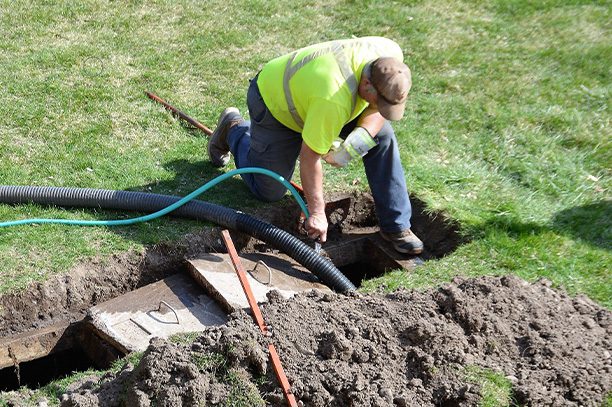
Effective Septic Tank Odor Fixes You Can Try Today
Let’s face it, a smelly septic tank isn’t exactly the best house guest. That lingering sewage aroma can make your home feel less than inviting. Luckily, there are several effective solutions you can try to banish those odors for good! We’re going to cover everything from the basics to more advanced methods, so grab your handy dandy cleaning supplies and let’s dive in!
Understanding the Source of the Smell
Before we get into the fixes, it’s important to understand where that nasty odor is coming from. Think of your septic system as a mini ecosystem. When waste water enters the tank, bacteria break it down, creating a layer of sludge at the bottom and a layer of scum on top. The real issue arises when things get out of whack:
- Overloading the Tank: Too much waste in the tank can overwhelm the bacteria’s ability to break it down, leading to backups and those unfortunate smells.
- Failing Drainfield: The drainfield is responsible for filtering the treated water, and if it’s not working properly, the water can back up and create a pungent odor.
- Clogged Pipes: If your septic system’s pipes are blocked, the waste can’t flow properly, creating backups and that telltale sewer smell.
- Improper Vent: The septic tank vent helps to release gases, and if it’s blocked or damaged, the smell can linger in your home.
Quick Fixes: Banishing Odors Fast
If you’re dealing with a sudden septic smell, these quick fixes can help you get the situation under control:
1. Flush with Water and Baking Soda
Give your pipes a little TLC by flushing them with a mixture of baking soda and hot water. Pour a cup of baking soda down the drain, followed by a pot of boiling water. The baking soda will help to deodorize and break down grease, while the hot water will loosen any debris.
2. The Power of Enzymes
Septic tank enzyme products contain beneficial bacteria that help to break down waste and reduce odors. These products are safe for your septic system and can be purchased at most hardware stores. Just follow the manufacturer’s instructions for best results.
3. The Old-Fashioned Remedy: Bleach
In a pinch, bleach can help to disinfect and neutralize odors. Be sure to follow the instructions carefully, as too much bleach can actually harm your septic system. It’s best to use bleach as a last resort and not as a regular solution.
Longer-Term Solutions for a Fresh-Smelling Home
Once you’ve tackled those immediate odors, it’s time to address the root cause. These long-term solutions can help prevent smells from returning:
1. Regular Pumping: The Key to a Healthy System
The gold standard for septic system maintenance is regular pumping. Your tank should be pumped every 3-5 years depending on your household size and usage. This removes the accumulated sludge and scum, giving the bacteria room to work their magic. A licensed septic service professional can handle this for you.
2. The Right Products: What To Use (and What Not To)
Be mindful of what you’re pouring down your drains! Avoid harsh chemicals like bleach, drain cleaners, and anti-bacterial products. These can kill off the beneficial bacteria in your septic system, making it harder to break down waste. Stick to biodegradable products like septic tank additives.
3. DIY Drainfield Inspections: Keep an Eye on the Filtration
While it’s best to have a professional inspect your drainfield, you can do some basic checks yourself. Look for signs of water pooling around the drainfield area or any signs of lush vegetation growing there. If you notice anything unusual, it’s time to call a professional.
4. Maintaining Your Pipes: Preventing Backups
Prevent blockages by using a drain screen in your kitchen sink, running water after using the garbage disposal, and avoiding flushing anything other than toilet paper and human waste. Keep an eye out for slow drains, gurgling sounds, and any other signs of trouble. Regularly flushing with a mixture of baking soda and hot water can help prevent buildup in your pipes.
5. Ventilation is Key: Make Sure Your Vent is Working
Your septic tank vent helps to release those unwanted gases. Inspect the vent for any blockage or damage, and call a professional to repair it if necessary. A properly functioning vent is a crucial part of a healthy septic system.Commonly Asked Questions
Q: How Often Should I Pump My Septic Tank?
A: The general recommendation is every 3-5 years, but it can vary depending on your household size and usage. It’s best to consult with a septic service professional to determine the ideal pumping frequency for your specific system.
Q: Can I Use Bleach in My Septic Tank?
A: While bleach can temporarily neutralize odors, it’s not a good idea to use it regularly. Bleach kills off the beneficial bacteria in your septic system, which are essential for breaking down waste. Stick to septic tank additives designed specifically for your system.
Q: What if I’m Still Smelling Sewage?
A: If you’ve tried all of the above and are still experiencing odors, it’s best to call a professional septic service technician. They can diagnose the problem and recommend the best course of action. Remember, ignoring a septic system issue can lead to more significant problems and costly repairs in the long run.
With a little care and attention, you can banish those unwanted septic odors and enjoy a fresh-smelling home. Don’t forget to keep those basic hygiene tips in mind, and your septic system will thank you for it!
How to Identify the Root Causes of Outdoor Septic Tank Odors

Identifying the Root Causes of Outdoor Septic Tank Odors
The unmistakable scent of a septic tank is not something anyone wants to encounter, especially in their own backyard. This unpleasant odor can stem from various issues, some more serious than others. Understanding the potential causes allows you to take proactive steps to eliminate the problem and enjoy your outdoor space without the unwelcome aroma.
Common Culprits Behind Septic Tank Odors
While the septic tank itself may be the source of the odor, the problem often lies elsewhere. Here are some common culprits to investigate:
1. Septic Tank Lid and Vent Issues
The septic tank lid and vent play crucial roles in preventing odor release. A loose or cracked lid can allow gases to escape, while a blocked or damaged vent can restrict proper airflow, leading to a buildup of odor-producing gases. Inspect the lid for cracks or damage, ensure it’s tightly secured, and check the vent for obstructions like bird nests or debris.
2. Overloaded Septic Tank
When a septic tank becomes overloaded, it can't process wastewater efficiently, leading to a buildup of solids and a release of unpleasant odors. This is especially common when the tank is too small for the household size or if there are excessive amounts of solid waste being introduced. You can prevent overloading by being mindful of what you flush and using a septic tank additive to break down solids.
3. Leaking Septic System Components
Leaks in the septic system, including the tank itself, the drainfield, or the pipes connecting them, can release wastewater and create an odor. Check for visible leaks or signs of dampness around the tank and pipes. If you suspect a leak, contact a qualified septic system professional immediately.
4. Improper Septic System Maintenance
Regular maintenance is crucial for a healthy septic system. This includes:
- Pumping out the tank every 3-5 years (frequency depends on tank size and usage)
- Inspecting the tank and drainfield for any signs of damage
- Using septic tank additives to help break down solids and prevent odors
5. Landscape Issues
Poor landscaping practices can contribute to septic tank odors. Overgrown trees or shrubs can obstruct airflow around the vent, while poor drainage can lead to water pooling near the tank, creating a breeding ground for bacteria that produce odors. Ensure adequate spacing around the tank and maintain proper drainage.
Taking Action to Eliminate Septic Tank Odors
Once you've identified the potential source of the odor, you can take action to eliminate it:
- Address any physical issues: Repair or replace damaged lids, vents, or pipes.
- Pump the tank: If it's overloaded, have it pumped out by a professional.
- Maintain the system: Follow a regular maintenance schedule for optimal performance.
- Improve landscaping: Trim trees and shrubs around the tank and ensure proper drainage.
- Consult a professional: If you can't pinpoint the cause or are unsure how to proceed, seek professional help.
By taking a proactive approach to identifying and addressing the root causes of septic tank odors, you can enjoy a fresh and odor-free outdoor space.
How to Get Rid of Persistent Septic Tank Smells at Home
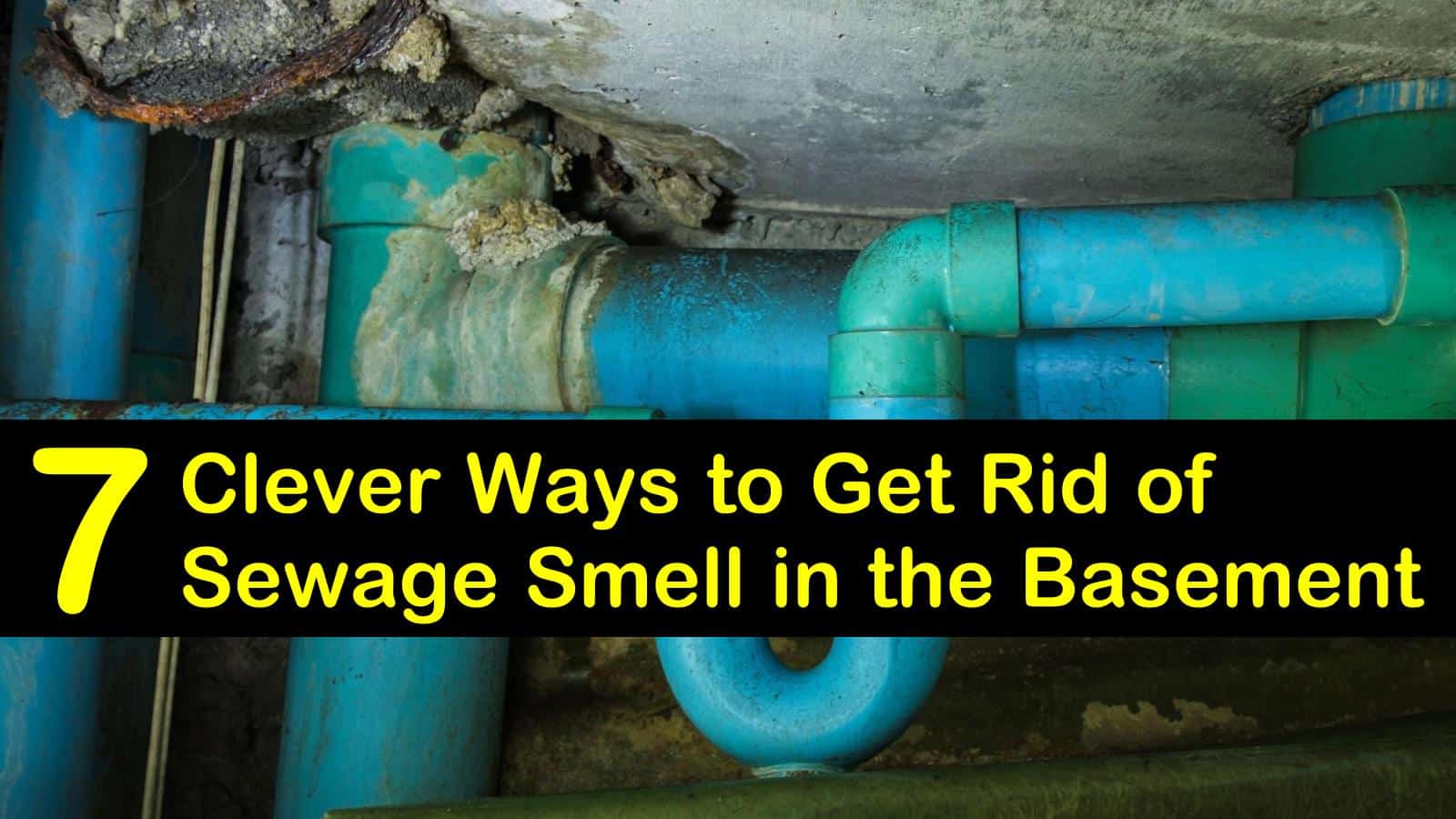
How to Eliminate Persistent Septic Tank Odors at Home
A septic system is a vital part of many homes, providing an effective way to treat wastewater. However, a malfunctioning or poorly maintained septic tank can result in unpleasant odors that permeate your home. While occasional smells are normal, persistent septic tank odors can be a sign of a more serious problem. This article will guide you through effective methods to eliminate these unwelcome scents and maintain a fresh-smelling home.
Understanding the Source of Septic Tank Odors
Septic tank odors arise from the breakdown of organic waste in the tank. Bacteria decompose these materials, releasing gases like hydrogen sulfide (rotten egg smell) and methane (natural gas). These gases can escape through vents, cracks in the tank, or poorly sealed pipes, leading to odors in your home.
Common Causes of Persistent Odors
- Overloading the tank: Excessive waste can overwhelm the bacteria's capacity, leading to a buildup of gases and odors.
- Improper drainage: Blockages in drain lines or the leach field can prevent proper wastewater flow, leading to backups and odors.
- Cracks or leaks in the tank or pipes: These can allow gases to escape and permeate your home.
- Faulty vent system: A blocked or damaged vent can trap gases inside the system, pushing them into your house.
- Insufficient bacteria levels: A lack of beneficial bacteria in the tank can slow down the decomposition process, leading to odor accumulation.
- Dry leach field: This can cause the soil to become less absorbent, leading to backups and odors.
Strategies to Eradicate Septic Tank Odors
1. Inspect and Maintain the Septic System
Regular inspections are crucial for preventing and addressing problems that cause odors. Consider these steps:
- Schedule professional inspections: A licensed septic professional can inspect your tank and leach field for any issues like cracks, blockages, or improper drainage.
- Check the vent system: Ensure the vent pipe is clear, unobstructed, and properly connected. A vent cover can help prevent insects and debris from entering.
- Monitor the leach field: Observe for signs of flooding, standing water, or excessive vegetation growth, indicating a potential problem with the field's drainage.
- Avoid overloading the tank: Be mindful of waste disposal habits. Minimize the use of garbage disposals, and avoid flushing non-biodegradable materials like wipes and paper towels.
- Use septic-safe products: Choose detergents, cleaners, and other products specifically formulated for septic systems.
2. Address Odors with Effective Treatments
Several approaches can help eliminate existing odors and prevent their return.
a. Septic Tank Additives
These products contain beneficial bacteria and enzymes that help break down waste more efficiently, reducing odor-producing gases.
- Types: Look for additives containing nitrifying bacteria, denitrifying bacteria, and enzymes. Avoid harsh chemicals that can harm the bacteria.
- Dosage and frequency: Follow the manufacturer's instructions carefully for dosage and frequency of use. Overuse can lead to imbalances in the tank.
b. Enzyme Products
These products contain enzymes that break down organic matter, reducing odor-causing compounds. Choose those designed specifically for septic systems.
- Benefits: Enzymes work quickly and can be particularly helpful in addressing immediate odor problems.
- Maintenance: Enzyme products are typically used as a short-term solution and may need to be repeated regularly.
c. Natural Solutions
Some natural remedies can help neutralize odors without harsh chemicals.
- Baking soda: Pour a cup of baking soda down the drain to absorb odors.
- Vinegar: Pour a cup of white vinegar down the drain to deodorize and clean pipes.
- Citrus peels: Throw citrus peels into the toilet to release a fresh scent.
- Activated charcoal: Place bowls of activated charcoal in the area where the smell is strongest to absorb odors.
3. Improve Ventilation and Air Circulation
Effective ventilation is crucial for preventing odors from accumulating in the house.
- Ensure proper vent function: Check the vent pipe for blockages, cracks, or damage. Replace or repair as needed.
- Improve air circulation: Open windows and doors to increase air flow, particularly in areas where the smell is noticeable.
- Use fans: Exhaust fans can help remove odors from the bathroom and kitchen.
Preventing Future Odors
Maintaining good habits can help prevent septic system odors from becoming a recurring issue.
- Schedule regular maintenance: Have your septic system inspected and pumped every 3-5 years, or more frequently if needed.
- Avoid flushing non-biodegradable items: Only flush toilet paper and human waste. Dispose of wipes, paper towels, and other non-biodegradable materials in the trash.
- Minimize garbage disposal use: Dispose of food scraps in the trash instead of the garbage disposal to reduce the load on the septic system.
- Use septic-safe cleaners: Choose cleaners and detergents specifically designed for septic systems to avoid harming the bacteria and causing odors.
- Monitor the leach field: Regularly check for signs of drainage issues and address them promptly.
When to Call a Professional
While you can address many odor issues with home remedies and maintenance, some situations require professional intervention. Seek assistance from a licensed septic professional if:
- The odor is persistent and severe: Despite your efforts, the smell continues to be strong and doesn't improve. This could indicate a serious problem with the tank or leach field.
- You notice signs of a malfunctioning system: The septic system is consistently backing up, the leach field is flooded, or you see signs of cracks or leaks.
- You're unsure of your septic system's age or maintenance history: Regular professional inspections are crucial, especially if you are a new homeowner or have an older system.
Conclusion
Septic tank odors can be a nuisance, but with proper maintenance and timely interventions, you can eliminate them and enjoy a fresh-smelling home. Remember to inspect your system regularly, use appropriate treatments, and address any potential problems immediately. By taking these proactive measures, you can ensure your septic system operates efficiently and keeps your home odor-free.
Why You Shouldn't Ignore Septic Tank Odors Inside Your House

Why You Shouldn't Ignore Septic Tank Odors Inside Your House
The unmistakable, unpleasant scent of sewage wafting through your home is a red flag that shouldn't be ignored. While a fleeting whiff might be a minor annoyance, persistent septic tank odors inside your house signal a serious issue that demands immediate attention. Ignoring these warning signs can lead to a cascade of problems, from uncomfortable living conditions to costly repairs.
Understanding the Causes
Septic tank odors inside your home are often caused by a breakdown in the system's ability to properly process and dispose of wastewater. Here are some common culprits:
1. Leaking Septic Tank
Cracks, corrosion, or improper installation can lead to leaks in the septic tank, allowing raw sewage to escape and seep into surrounding soil. This contamination can travel through cracks in your foundation or plumbing pipes, bringing the unpleasant odor indoors.
2. Clogged Drain Field
The drain field is responsible for filtering and dispersing treated wastewater. When it becomes clogged with debris or overwhelmed by excessive usage, it can back up, leading to a buildup of pressure that forces wastewater back into your home.
3. Overflowing Septic Tank
A septic tank that's overflowing due to infrequent pumping or excessive usage can also lead to backups and odor issues. As the tank fills beyond its capacity, untreated wastewater is forced out through the system, potentially reaching your home.
The Consequences of Ignoring the Problem
Turning a blind eye to septic tank odors can have serious consequences, affecting not just your comfort but also your health and wallet:
- Health Risks: Sewage contains harmful bacteria and viruses that can cause respiratory illnesses, skin infections, and gastrointestinal problems. Breathing in contaminated air can expose you and your family to these health hazards.
- Structural Damage: Sewage leaks can weaken your foundation, leading to cracks and instability. Mold and mildew growth, fueled by moisture and organic matter, can also cause significant damage to your home's structure.
- Costly Repairs: Ignoring a septic tank issue can lead to a snowball effect, resulting in more extensive damage that requires more expensive repairs. Early intervention is crucial to prevent minor problems from escalating into major headaches.
- Reduced Property Value: A septic system in poor condition can significantly devalue your property. Potential buyers are likely to be deterred by the knowledge of a faulty system, making it harder to sell your home.
Taking Action
If you detect septic tank odors inside your house, it's essential to act promptly. Here's what you should do:
- Contact a Licensed Septic Tank Professional: A qualified technician can inspect your system, identify the source of the problem, and recommend appropriate solutions.
- Schedule Regular Inspections: Preventive maintenance is key to preventing septic tank issues. Schedule regular inspections and pumpings to keep your system running smoothly.
- Practice Good Septic System Habits: Avoid pouring grease, oil, and harsh chemicals down the drain. Use water-efficient appliances and fixtures to reduce the amount of wastewater entering your system.
Don't let septic tank odors become a nuisance. By addressing the problem early, you can safeguard your health, protect your home, and avoid costly repairs.
The Top 5 Ways to Treat a Smelly Septic Tank
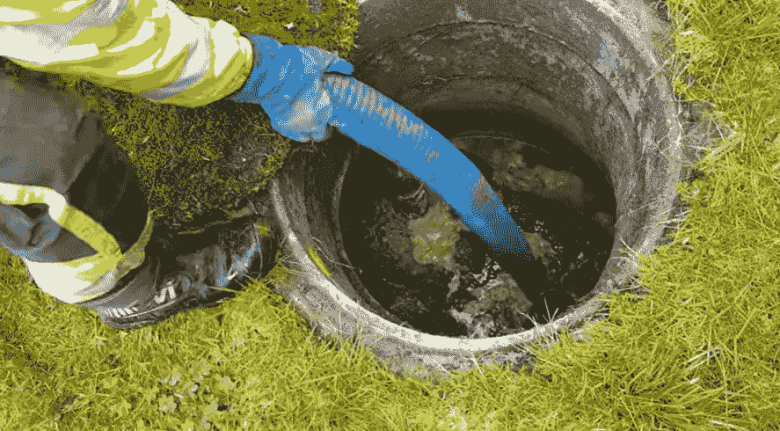
Top 5 Ways to Treat a Smelly Septic Tank
A smelly septic tank is a common problem that can be embarrassing and unpleasant. It’s important to address the issue quickly and effectively before it becomes a bigger problem. Here are five effective ways to treat a smelly septic tank:
1. Aerate Your Septic Tank
One of the most effective ways to reduce odor from your septic tank is to aerate it. Aeration helps to break down the organic matter in the tank, which can significantly reduce odor. You can achieve aeration in several ways:
Using a Septic Tank Aerator
A septic tank aerator is a device that pumps air into your septic tank. It’s a great option if you have a chronic odor problem. Aerators come in various sizes and types, so be sure to choose one that’s appropriate for your tank size and needs.
Using a Septic Tank Vent
A septic tank vent helps to circulate air through the tank. It’s typically located on the roof of your home and connects to your tank via a pipe. Vents can help to reduce odor by allowing fresh air to circulate and preventing the buildup of gases.
2. Regularly Maintain Your Septic System
Proper maintenance is essential for preventing a smelly septic tank. Regular maintenance can help to prevent problems before they arise and reduce the likelihood of odors.
Regular Pumping
Have your septic tank pumped every 3-5 years, depending on the size of your tank and your household’s usage. Pumping removes the sludge and scum that can build up in the tank and contribute to odor.
Inspecting and Cleaning the System
Regularly inspect your septic system for leaks or damage that could lead to odors. Clean the drain field periodically to ensure proper drainage and reduce the likelihood of backups.
3. Address the Cause of the Odor
Sometimes, a smelly septic tank is a symptom of a larger problem. Identifying the cause can help you effectively treat the odor.
Overloading
If you’re overloading your septic tank, it can cause backups and odor. Avoid flushing items like wipes, paper towels, and grease down the drain, as these can clog the system and contribute to odor. Use septic-safe cleaners and products to minimize the amount of harmful substances entering your septic system.
Faulty Drain Field
A faulty drain field can prevent wastewater from properly draining, leading to backups and odor. Have a professional inspect your drain field to rule out any problems and ensure proper functioning.
Tree Roots
Tree roots can grow into your septic system’s pipes and cause blockages, contributing to odor. Be sure to prune trees and shrubs near your septic system to prevent roots from damaging the pipes.
4. Use Odor Neutralizers
Odor neutralizers can help to mask or eliminate unpleasant smells from your septic tank. They work by breaking down the compounds that cause odor, or by releasing a pleasant scent that overpowers the unpleasant odor.
Commercial Products
A wide variety of commercial products are available for treating smelly septic tanks. These products often contain enzymes, bacteria, or other ingredients that break down odor-causing compounds.
Natural Remedies
You can also use natural remedies to combat septic tank odor. For example, adding baking soda, vinegar, or lemon juice to your septic tank can help neutralize odor. However, it’s crucial to note that these methods may not be as effective as commercial products.
5. Call a Professional
If you’re dealing with a persistent smelly septic tank, or if the odor is particularly strong, it’s best to call a professional. A septic tank expert can diagnose the problem, identify the cause of the odor, and recommend the most appropriate solution.
Professionals can also:
- Inspect and clean your septic system
- Repair any damage or leaks
- Install an aerator or vent
- Provide advice on proper maintenance and usage
They have the experience and equipment to effectively address your smelly septic tank problem.
Conclusion
A smelly septic tank can be a frustrating and embarrassing problem. By following these five tips, you can effectively treat a smelly septic tank and prevent future problems. Remember, regular maintenance is key to keeping your septic system functioning properly and odor-free. If you have any concerns or if the odor persists, don’t hesitate to contact a professional for assistance.
Sabtu, 16 November 2024
How to Fix Septic Tank Odors: A Step-by-Step Guide

How to Fix Septic Tank Odors: A Step-by-Step Guide
A lingering, unpleasant odor emanating from your yard is a clear sign of a septic system problem. While a septic tank is designed to break down waste efficiently, occasional odors can happen, especially if the system isn't maintained. Dealing with septic tank odors is essential to prevent further issues.
The good news is that fixing these odors isn't always a complicated process. By following the steps outlined in this guide, you can identify the source, tackle the problem, and restore fresh air to your property.
Identify the Source of the Odor
Before diving into solutions, you need to pinpoint the source of the odor. The smell might originate from:
The Septic Tank:
- Overfilling: A full septic tank can lead to wastewater backing up into the drain field, releasing foul smells.
- Mechanical Failure: A faulty lid or vent can cause odors to escape.
- Insufficient Bacteria: Reduced bacteria levels in the tank compromise waste breakdown, leading to pungent smells.
The Drain Field:
- Clogging: Blocked drain field lines can cause wastewater to overflow, leading to odors.
- Poor Drainage: A poorly designed or maintained drain field can lead to slow drainage and odor issues.
Solutions to Eliminate Septic Tank Odors
Once you've identified the source, you can implement the appropriate solution:
Septic Tank Issues:
- Pumping: Regular septic tank pumping is essential to prevent overfilling. Schedule a pumping every 3-5 years or sooner if you notice odor issues.
- Check for Damage: Inspect the lid and vent for cracks or blockages. Repair or replace faulty components.
- Add Bacteria: Septic tank bacteria booster products help improve waste breakdown, reducing odors. Follow package instructions carefully.
Drain Field Issues:
- Inspect and Clean: Have a professional inspect your drain field for blockages or damage. Clean the lines as needed.
- Improve Drainage: If you have poor drainage in your yard, consider adding a French drain or upgrading your drainage system. This can help direct water away from the drain field.
Preventative Measures
To avoid recurring septic tank odor problems, consider these preventative measures:
- Regular Pumping: Pump your septic tank regularly to prevent overfilling and odor issues.
- Avoid Harsh Chemicals: Avoid using harsh chemicals down your drains, as they can kill beneficial bacteria in the tank.
- Proper Waste Disposal: Dispose of grease, fats, and oils properly. Don't flush non-biodegradable items down the toilet.
- Regular Inspections: Have your septic system inspected by a professional at least every 3-5 years.
When to Call a Professional
In some cases, dealing with septic tank odors might require the help of a professional. Contact a licensed septic contractor if you:
- Notice persistent odors despite home remedies.
- Suspect a leak or damage to your septic system.
- Experience wastewater backing up in your home.
Remember, a properly functioning septic system is essential for your home's health and sanitation. By following these steps and seeking professional assistance when needed, you can effectively combat septic tank odors and enjoy a fresh-smelling home.
Kamis, 14 November 2024
How to Get Rid of Septic Tank Smell During the Winter Months

Conquering the Winter Septic Tank Smell: A Comprehensive Guide
As the temperatures plummet and the days grow shorter, the cozy ambiance of winter can quickly be disrupted by a pungent, unwelcome odor emanating from your septic system. Winter's cold temperatures and reduced water usage can create conditions that lead to a build-up of gasses and a noticeable smell in your home. But don't fret! By understanding the causes and implementing effective solutions, you can banish the foul stench and restore peace to your winter haven.
Understanding the Cause of Winter Septic Tank Smells
The primary reason for increased septic odors during winter is a slowdown in the bacterial activity within your septic tank. These bacteria are crucial for breaking down waste and preventing unpleasant smells. Winter's cold temperatures slow down their metabolism, resulting in less efficient waste processing. In addition, reduced water usage during the colder months can lead to a lower water level in the septic tank, allowing harmful gases to escape more readily.
Effective Solutions for Eliminating Septic Tank Smells
Fortunately, there are several proactive steps you can take to mitigate and eliminate those winter septic tank odors.
1. Maintain Regular Water Usage
Even though you may not be showering as frequently or doing laundry as often in the winter, it's essential to maintain a steady flow of water into your septic system. Running a full load of laundry or taking a long shower will help flush the tank and prevent the buildup of gases. Consider using a "septic tank flush" product, which is specifically designed to boost bacterial activity and improve waste breakdown.
2. Optimize Tank Temperature
While you can't directly control the ambient temperature, there are ways to minimize the impact of cold on your septic tank. Ensure proper insulation around the tank to help retain heat. This will create a more favorable environment for the bacteria to thrive.
3. Inspect Your System
A regular inspection of your septic system can help identify and address any potential issues that could contribute to odors. Look for cracks or leaks in the tank or drain field. If you notice any signs of trouble, contact a qualified septic professional for repairs or maintenance.
4. Consider a Septic Tank Additive
Septic tank additives contain beneficial bacteria and enzymes that help break down waste more efficiently, even in cold temperatures. These additives can significantly reduce odors and improve overall system performance.
5. Address Potential Blockages
If your septic tank is overflowing or your system is draining slowly, there might be a blockage in the pipes or drain field. A professional plumber can help diagnose and clear any obstructions that could be causing the smell.
Tips for Preventing Future Septic Tank Odor Issues
To prevent future septic tank odor problems, follow these simple tips:
- Avoid pouring grease or oil down the drain, as it can solidify and clog pipes.
- Flush only toilet paper and human waste down the toilet. Avoid using wet wipes or other non-biodegradable items.
- Minimize the use of harsh chemicals, as they can kill beneficial bacteria and disrupt the system's balance.
- Schedule regular inspections and maintenance with a certified septic professional to ensure your system is functioning correctly.
By taking proactive steps to manage your septic tank during the winter months, you can ensure a pleasant and odor-free environment for your home. Remember that regular maintenance and proper usage are key to keeping your septic system running smoothly and efficiently, even during the coldest of winters.
How to Fix Odor Problems in Your Septic Tank and Yard
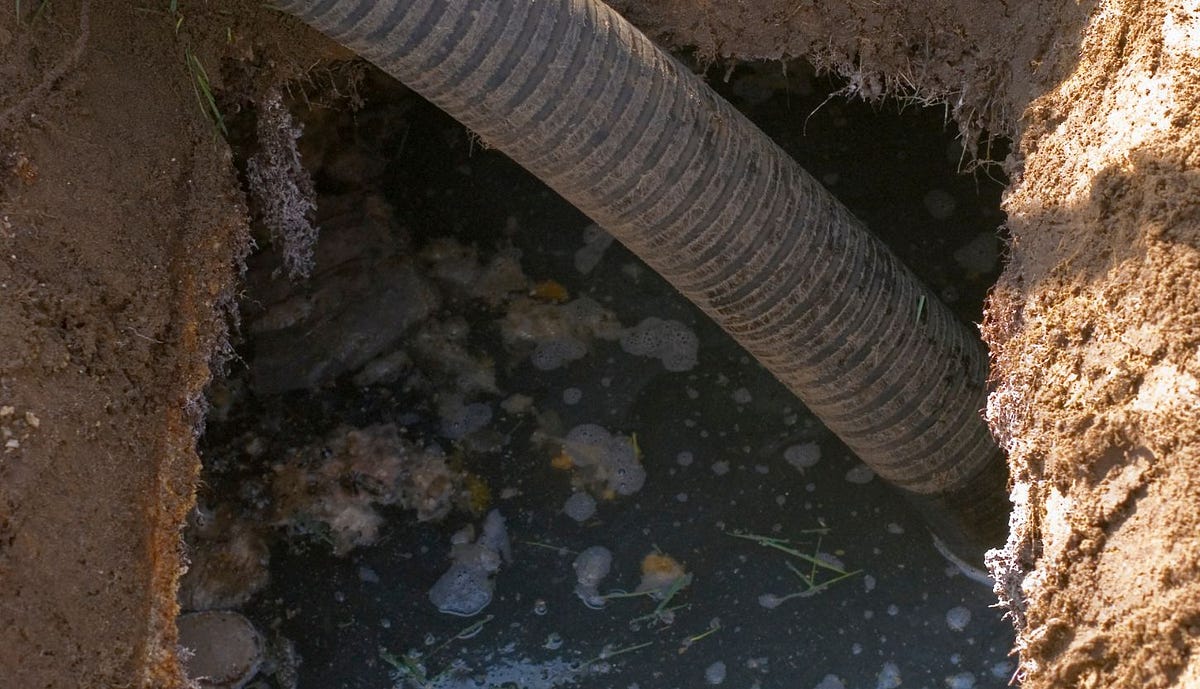
Tackling Those Unpleasant Septic Tank and Yard Odors
A septic system is a vital part of any home, but a malfunctioning one can lead to unpleasant odors that permeate your yard and even your home. These smells aren't just offensive; they can also indicate a deeper problem with your septic system. Thankfully, there are steps you can take to fix these issues and restore a pleasant environment. This guide will walk you through the process of identifying the source of the odor, implementing solutions, and preventing future problems.
Identifying the Source of the Odor
Before you can fix a problem, you need to know what's causing it. The source of the odor could be the septic tank itself, the drain field, or even something simpler like a leaky pipe. Take a moment to analyze the situation:
Septic Tank Issues
A strong, sewage-like smell emanating from the vicinity of your tank could indicate problems like:
- Overfilling: When the tank is full, waste can back up into the drain field, leading to a strong smell.
- Improper Functioning: If the solids aren't separating properly, the tank might be producing more odor than usual.
- Leaks: Cracks in the tank or pipes can allow raw sewage to escape, generating a pungent odor.
Drain Field Issues
A drain field's primary role is to filter wastewater, and a malfunctioning one can cause a damp, musty odor. Here's why:
- Clogging: When the drain field becomes clogged, wastewater doesn't drain properly, leading to standing water and odor.
- Poor Soil Conditions: Insufficient drainage or compacted soil can hinder the flow of wastewater, contributing to the odor.
- Root Intrusion: Tree roots can penetrate the drain field, obstructing the flow of wastewater and causing a pungent odor.
Other Possibilities
Sometimes, the source of the odor is not the septic system itself. Other possibilities include:
- Leaking Pipes: A broken or leaking pipe inside your house can leak wastewater, creating an unpleasant smell.
- Poor Ventilation: Insufficient ventilation in your home can trap odors, making them more noticeable.
- Animal Waste: Pet waste or decomposing organic matter in the yard can contribute to unpleasant odors.
Solutions to Eliminate Septic Tank and Yard Odors
Once you've identified the source, it's time to take action. Here's what you can do to eliminate odors and prevent future problems:
Septic Tank Solutions
- Pumping: A full septic tank is a major source of odor. Schedule regular pumping, typically every 3-5 years, to prevent overfilling and reduce odors.
- Additives: Use septic tank additives to break down waste and reduce odor-causing bacteria. These come in both liquid and solid forms.
- Professional Inspection and Repair: If you suspect a leak or other structural issue, call a qualified septic system professional to diagnose and repair the problem.
Drain Field Solutions
- Clear Clogging: If your drain field is clogged, a professional can use specialized equipment to clear the blockage and restore proper drainage.
- Soil Improvement: Poor drainage can contribute to odor. Consider improving the soil in your drain field to enhance water absorption.
- Root Removal: If tree roots are interfering with your drain field, call a specialist to remove them safely and prevent future intrusion.
Other Solutions
- Repair Leaks: If you have a leaking pipe, contact a plumber to address the issue promptly.
- Improve Ventilation: Ensure adequate ventilation in your home by checking and cleaning vents and ensuring proper airflow.
- Clean Yard Waste: Regularly remove pet waste and other organic debris from your yard to prevent odor-causing decomposition.
Preventing Future Odor Problems
Preventing odor issues is easier than fixing them. Here's what you can do to keep your septic system functioning properly and your yard smelling fresh:
- Regular Pumping: Stick to a regular pumping schedule to avoid overfilling and odor problems.
- Smart Septic Use: Avoid pouring grease, chemicals, and excessive amounts of paper products down your drains.
- Avoid Overloading: Limit water usage during peak periods to prevent overloading the system.
- Yard Care: Keep trees and shrubs away from your septic tank and drain field to prevent root intrusion.
Addressing septic tank and yard odors is crucial for maintaining a healthy and pleasant living environment. By identifying the source, implementing appropriate solutions, and practicing preventive measures, you can keep your septic system functioning optimally and eliminate those unwanted smells.
Rabu, 13 November 2024
Natural Septic Tank Cleaning Tips to Keep Your System Running Smoothly
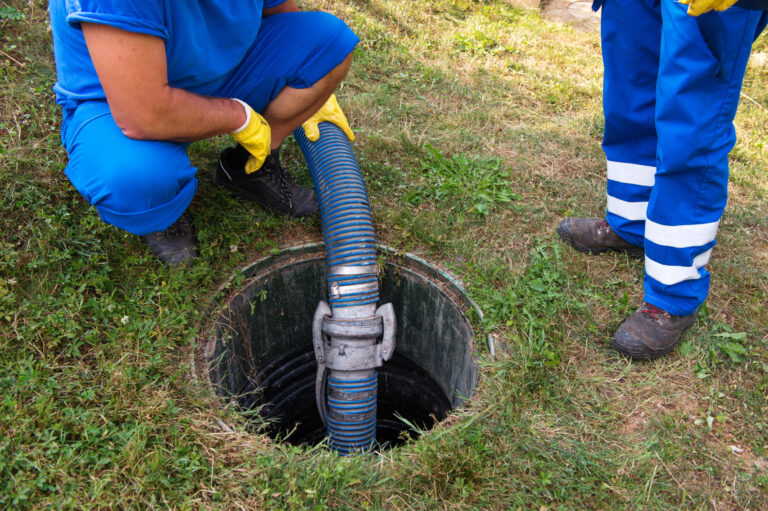
Natural Septic Tank Cleaning Tips to Keep Your System Running Smoothly
Maintaining a healthy septic system is crucial for ensuring proper waste disposal and preventing costly repairs. While professional cleaning is necessary periodically, you can employ natural methods to keep your septic tank running smoothly in between professional services.
Understanding the Importance of Septic Tank Maintenance
Septic systems rely on a natural process of decomposition to break down waste. Bacteria play a vital role in this process, converting solid waste into liquid effluent that is discharged into the drain field. Over time, solids can accumulate in the tank, potentially leading to blockages, overflow, and ultimately, system failure. Regular maintenance helps to prevent these issues.
Natural Methods for Septic Tank Cleaning
Here are some natural methods that can help maintain the health of your septic tank and prolong the time between professional cleanings:
1. Avoid Harsh Chemicals
Harsh chemicals, such as bleach, disinfectants, and drain cleaners, can kill beneficial bacteria in your septic tank, disrupting the natural decomposition process. These chemicals can also damage the tank's components, leading to costly repairs.
2. Conserve Water Usage
Excessive water usage can overburden your septic system, leading to a buildup of solids and potential overflow. Take measures to reduce water consumption in your home:
- Install low-flow showerheads and faucets.
- Fix leaky pipes and appliances promptly.
- Run your washing machine and dishwasher only when full.
- Water your lawn efficiently using a soaker hose or drip irrigation system.
3. Use Natural Alternatives for Cleaning
Natural alternatives can effectively clean your home without harming your septic system:
- Baking soda and vinegar: A combination of baking soda and vinegar can remove grease and grime from sinks and drains without harsh chemicals.
- Borax: Borax is a natural mineral that can deodorize and clean your home. It's a safer alternative to chlorine bleach.
- Citrus-based cleaners: Citrus-based cleaners are biodegradable and effective for removing stains and odors.
4. Dispose of Waste Properly
Certain items should never be flushed down your toilet or poured down the drain as they can cause problems in your septic system:
- Flushable wipes: Despite the label, many flushable wipes are not biodegradable and can clog your pipes and tank.
- Paper towels: Paper towels are designed to be absorbent and will not decompose in your septic tank.
- Grease and oil: Grease and oil solidify in the tank and can create blockages.
- Prescription medications: Dispose of medications according to your local regulations. Do not flush them down the toilet.
- Chemicals and paints: These substances can contaminate your septic system and groundwater.
5. Add Beneficial Bacteria
Beneficial bacteria, also known as septic tank additives, can help break down waste more efficiently. These bacteria are available in liquid or tablet form and can be added to your tank monthly or as needed.
6. Promote Proper Drainage
Ensure proper drainage to prevent water from accumulating around your septic tank and potentially causing damage. Here are some tips:
- Inspect your downspouts: Make sure your downspouts are directed away from your septic tank and drain field.
- Grade your yard: Ensure that the ground around your septic tank slopes away from the tank to prevent water from pooling.
- Maintain your yard: Keep the area around your septic tank and drain field free of debris and vegetation to prevent clogging.
7. Regular Inspection and Maintenance
Even with natural methods, regular inspection and professional maintenance are essential for maintaining a healthy septic system. Ideally, you should have your septic tank pumped every 3-5 years, but this may vary based on your system's size and usage.
Signs That Your Septic System Needs Attention
Pay attention to these warning signs that may indicate a problem with your septic system:
- Slow draining: If water drains slowly from sinks, toilets, and showers, it could indicate a blockage in your septic system.
- Gurgling sounds: Gurgling noises from your drains might signify a partial blockage or air trapped in your system.
- Foul odors: Unpleasant odors emanating from your drain field or around your home can be a sign of a malfunctioning septic system.
- Soggy or wet ground: If the ground around your septic system becomes unusually wet, it might indicate a leak in your tank or drain field.
- Sewage backing up: If sewage backs up into your house, it's a serious issue requiring immediate attention.
Conclusion
By following these natural septic tank cleaning tips, you can significantly improve the health of your septic system and extend the time between professional services. Remember that a well-maintained septic system is essential for protecting your home and the environment. If you experience any issues, don't hesitate to contact a qualified professional for assistance.
Selasa, 12 November 2024
How to Minimize Septic Tank Smells
Conquering the Stinky Situation: How to Minimize Septic Tank Smells
Let’s face it, septic systems aren’t exactly known for their pleasant aromas. Those unwelcome whiffs that sometimes waft from the yard or even seep into the house can be a real downer. But fear not, fellow septic tank owners! There are ways to minimize those smelly situations and make your home a haven of fresh air.
First, let's understand why those odors pop up in the first place. Septic tanks are like miniature waste treatment plants, breaking down waste through a combination of bacteria and settling. But when things get out of whack, those bacteria can get a little overzealous, leading to the release of pungent gases.
The good news is, you can take control of your septic system’s odor situation with some simple strategies.
Understanding the Source of the Smell
Before we dive into solutions, it's important to figure out the source of the smell. This helps pinpoint the problem and direct your efforts.
Is it the Tank Itself?
If the smell seems to emanate from the general area of your septic tank, it might be a sign of a full tank or a problem with the tank’s functionality.
- A full tank can lead to a buildup of sludge and scum, which can release unpleasant odors.
- If your tank isn’t emptying properly, there might be a blockage or a malfunction in the system. This can create a breeding ground for odor-producing bacteria.
Is it the Drain Field?
The drain field is where the treated wastewater from the tank is released and filtered back into the soil. If there's an issue with the drain field, such as a blockage or a malfunction, it can lead to sewage backing up and releasing a strong odor.
Is it the Plumbing?
Sometimes the source of the smell is closer to your house, in your plumbing system. Leaky pipes, clogged drains, or even a vent that’s not working properly can let sewer gases escape into your home.
Minimizing Septic Tank Odors: Your Action Plan
Once you’ve identified the source of the smell, you can take steps to address it. Here’s a list of helpful strategies to combat those unpleasant odors:
1. Pump Regularly
The foundation of a healthy septic system is regular pumping. Just like you need to clean your bathtub, your septic tank needs a good cleaning too! Pumping removes the accumulated sludge and scum that contribute to odors.
- Pumping frequency depends on the size of your tank and how much water is used in your household. A good rule of thumb is to have your tank pumped every 3-5 years.
- Consult a professional septic tank company to determine the ideal pumping schedule for your system.
2. Avoid Overloading the Tank
Your septic tank isn’t a garbage disposal! Avoid putting things down the drain that can overload the tank and cause problems. Here are some culprits:
- Fats, oils, and grease (FOG): These substances don’t break down easily and can solidify in the tank, forming a clog. Instead, dispose of them in the trash.
- Flushing items that don’t break down naturally: Things like disposable wipes, paper towels, and feminine hygiene products are often marketed as “flushable,†but they can cause clogs in your septic system. Toss them in the trash instead.
- Excessive amounts of chemicals: Avoid pouring paint, cleaners, and other harsh chemicals down the drain. These can disrupt the bacterial activity in your septic tank.
3. Be Mindful of Water Use
Too much water can strain your septic system. Here’s how to be water-wise:
- Fix leaks promptly: Leaky faucets or toilets add up to a lot of wasted water over time. Get those leaks fixed as soon as possible.
- Take shorter showers: A few minutes less in the shower can make a difference in the amount of water going into your septic system.
- Use water-efficient appliances: Look for low-flow showerheads, toilets, and washing machines.
4. Maintain Your Drain Field
A healthy drain field is essential for preventing odors.
- Avoid driving or parking over the drain field: This can compact the soil and hinder the drainage process.
- Don’t plant trees or large shrubs over the drain field: Their roots can grow into the drain field and cause blockages.
- Keep the area around the drain field clear of debris: This helps prevent clogs and ensures proper drainage.
5. Optimize Your Plumbing
Your plumbing plays a crucial role in keeping sewer gases where they belong: in the sewer!
- Check for leaks in your plumbing: Leaking pipes can allow sewer gases to escape into your home.
- Ensure your plumbing vents are working properly: These vents allow gases to escape safely to the outside air.
- Clean your drains regularly: Clogged drains can trap odors and create a breeding ground for bacteria. Use a drain cleaner specifically designed for septic systems.
6. Consider Using Odor Neutralizers
If you’re still experiencing odors after taking the above steps, you can try using septic tank odor neutralizers. These products contain bacteria that help break down odor-causing compounds.
- Follow the manufacturer’s instructions carefully: Some neutralizers need to be added directly to the tank, while others can be poured down the drain.
- Choose products specifically designed for septic systems: Avoid using harsh chemicals that can harm the beneficial bacteria in your tank.
The Final Word on Septic System Smells
Living with a septic system doesn’t have to be a smelly experience. By taking proactive steps like regular pumping, avoiding overloading the system, and maintaining your drain field and plumbing, you can create a healthier and more odor-free environment for your home.
Remember, early detection and maintenance are key to keeping your septic system in top shape. If you notice any unusual odors, don’t hesitate to call a qualified septic tank professional for an inspection and advice.
A DIY Approach to Tackling Septic Tank Odors Outdoors

Conquering Septic Tank Odors: A DIY Guide to Fresh Air
A pungent odor wafting from your yard is a sure sign that your septic system needs attention. While a professional may be needed for major issues, tackling septic tank odors outdoors often starts with a few simple DIY solutions. This guide provides a step-by-step approach to address these unpleasant smells and reclaim the fresh air you deserve.
Identifying the Source: Where’s the Stink Coming From?
Before diving into solutions, pinpoint the exact source of the odor. Is it coming from the septic tank itself, the leach field, or perhaps a broken pipe? Once you’ve identified the problem area, you can choose the most effective approach.
Septic Tank: The Root of the Problem
A smelly septic tank usually indicates a buildup of solids. This can occur if the tank isn’t pumped regularly or if the system is overloaded. To tackle this, consider these steps:
- Pump the Tank: Schedule a professional septic tank pumping every 3-5 years, or more frequently if needed. This removes accumulated sludge and helps prevent backups and odors.
- Use Septic Tank Additives: These products, available at hardware stores, contain beneficial bacteria that break down waste and reduce odor-causing compounds. Follow the manufacturer’s instructions for proper use.
- Check for Leaks: Inspect the lid and surrounding areas of the tank for cracks or leaks. Repair any leaks promptly to prevent odor escape.
Leach Field: Where the Wastewater Goes
If the leach field is the culprit, the problem often lies in a clogged or poorly functioning system. This can result in wastewater backing up and releasing foul odors. Follow these steps to address a smelly leach field:
- Avoid Overloading: Reduce water usage by taking shorter showers, fixing leaky faucets, and using water-efficient appliances. This prevents the system from becoming overloaded and reduces stress on the leach field.
- Limit Harsh Chemicals: Avoid using harsh chemicals like bleach and drain cleaners that can harm the beneficial bacteria in the leach field and disrupt its function.
- Don’t Drive or Park Over It: Heavy vehicles can damage the leach field pipes and hinder proper wastewater drainage.
Broken Pipes: A Hidden Stink
A broken or leaking pipe can lead to wastewater escaping and causing a foul odor. Inspect your septic system for any visible cracks or leaks, and if necessary, call a plumber for professional repairs.
DIY Solutions for Odor Control
Even after addressing the source of the odor, you might need additional steps to eliminate the lingering smell. Try these DIY solutions:
Natural Odor Neutralizers
Harness the power of nature to combat septic odors:
- Baking Soda: Sprinkle baking soda around the septic tank and leach field area. Its odor-absorbing properties will help neutralize unpleasant smells.
- Vinegar: Mix equal parts vinegar and water and pour it around the affected area. The acidic properties of vinegar can help break down odor-causing molecules.
- Coffee Grounds: Spread coffee grounds over the soil around the septic tank and leach field. Coffee grounds act as a natural deodorizer and help improve soil drainage.
Planting for Fresh Air
Certain plants can naturally mask septic odors:
- Lavender: This fragrant herb releases a pleasant scent that can help disguise unpleasant smells.
- Mint: Plant mint around the septic tank or leach field area. Its refreshing aroma will help counteract any foul odors.
- Rosemary: Rosemary has a strong, earthy scent that can mask septic odors and create a more pleasant atmosphere.
Preventing Odors in the Future
Once you’ve tackled the current odor issue, take preventive measures to avoid future problems:
- Regular Maintenance: Schedule routine septic tank pumping and inspections to prevent buildup and potential odors.
- Water Conservation: Reduce water usage to minimize the strain on your septic system.
- Proper Disposal: Avoid disposing of grease, oil, and other non-biodegradable materials down the drain. These can clog your system and lead to odor problems.
By following these tips, you can conquer septic tank odors and enjoy a fresh-smelling yard. Remember, addressing the source of the problem is crucial, but utilizing natural odor neutralizers and preventive measures can help maintain a pleasant outdoor environment for years to come.
How to Fix Septic Tank Odors That Occur at Night

How to Fix Septic Tank Odors That Occur at Night
Septic systems are designed to treat wastewater efficiently and safely. However, issues can arise, leading to unpleasant odors, particularly at night. Understanding the root causes and implementing appropriate solutions is crucial for maintaining a comfortable and healthy living environment. This comprehensive guide will delve into the reasons behind nocturnal septic tank odors, explore effective remedies, and provide valuable tips for prevention.
Understanding the Causes of Septic Tank Odors
Septic tank odors are usually caused by a breakdown in the system's ability to effectively treat and decompose wastewater. Several factors contribute to this issue, including:
1. Gas Accumulation
During the wastewater treatment process, bacteria break down organic matter, releasing gases like hydrogen sulfide, ammonia, and methane. These gases are typically trapped within the tank and released through vent pipes. However, if the vent pipe is blocked or malfunctioning, gases can escape into the surrounding air, causing unpleasant odors.
2. Overflowing Septic Tank
A full septic tank can lead to a backup of wastewater, causing odors to permeate the home. This occurs when the tank is overloaded with waste, exceeding its capacity.
3. Leaking Septic Tank
Cracks or holes in the septic tank can allow wastewater to seep into the surrounding soil, releasing foul odors.
4. Clogged Drainfield
The drainfield is responsible for filtering treated wastewater before it returns to the ground. When the drainfield becomes clogged with debris or grease, wastewater cannot drain properly, leading to odors.
5. Inadequate Ventilation
Proper ventilation is essential for removing gases from the septic tank and preventing odors. If there are insufficient or blocked vents, gases can build up and escape into the home.
Troubleshooting and Solutions for Nighttime Septic Tank Odors
Here are several troubleshooting steps and solutions to address nighttime septic tank odors:
1. Inspect the Vent Pipe
Start by examining the vent pipe located on the roof or a high point on your home. Ensure that the pipe is not blocked by debris or animals. If the vent pipe is clogged, clean it out using a long brush or a specialized vent pipe cleaning tool. If the vent pipe is damaged, it needs to be replaced.
2. Check for Septic Tank Overflow
Inspect the septic tank for signs of overflow, such as a strong sewage smell or standing wastewater around the tank. If the tank is overflowing, it indicates that the tank needs to be pumped. Contact a licensed septic tank service provider to have the tank pumped and inspected.
3. Investigate for Leaks
Examine the septic tank for any visible cracks or holes. If there are leaks, it's crucial to address them promptly. Contact a qualified septic tank repair specialist to fix the leaks.
4. Assess the Drainfield
Inspect the drainfield for any signs of clogging or damage. A professional septic tank service provider can inspect the drainfield and recommend appropriate solutions, such as jetting, cleaning, or replacement.
5. Improve Ventilation
If your septic system lacks adequate ventilation, consider adding an additional vent pipe. This will enhance air circulation and prevent gas buildup within the tank.
Preventing Septic Tank Odors
To prevent future odor issues, implement these proactive measures:
1. Regular Septic Tank Pumping
Schedule regular septic tank pumping every 3-5 years, depending on tank size and household usage. A full tank can contribute to odor problems and system failure.
2. Conserve Water
Reduce water usage in your home to minimize the amount of wastewater entering the septic tank. This helps prevent the tank from filling up too quickly.
3. Avoid Flushing Non-Biodegradables
Avoid flushing items that are not designed to decompose in a septic system, such as:
- Disposable wipes
- Feminine hygiene products
- Paper towels
- Hair
- Grease
- Medicines
4. Use Septic-Safe Cleaning Products
Use septic-safe cleaning products that won't harm the bacteria responsible for wastewater treatment.
5. Properly Dispose of Grease
Do not pour grease or cooking oil down the drain. Instead, dispose of grease in a sealed container and throw it away with your regular trash.
Professional Assistance
If you are unable to resolve the issue yourself, consult a licensed septic tank service provider. They have the expertise to diagnose the problem and provide effective solutions.
Conclusion
Septic tank odors, particularly those occurring at night, can be a nuisance. By understanding the underlying causes and implementing the recommended solutions, you can effectively eliminate odors and maintain a functional septic system. Regular maintenance, water conservation, and proper waste disposal practices are essential for preventing future issues. If you encounter persistent problems or suspect a serious malfunction, seek professional assistance from a qualified septic tank service provider.
The Ultimate Guide to Keeping Septic Tanks from Smelling
The Ultimate Guide to Keeping Septic Tanks from Smelling: A Comprehensive Guide
Living with a septic system comes with its own set of challenges, and one of the biggest culprits is the dreaded septic tank smell. You know the one: that pungent, earthy odor that wafts through your house, reminding you that you're dealing with a little bit of nature in your backyard. But fear not, my friends! Just because you have a septic system doesn't mean you have to live with a smelly house.
This guide will equip you with everything you need to know about conquering that unpleasant odor. We'll delve into the root causes, explore effective solutions, and provide practical tips to help you maintain a fresh-smelling home, even with a septic system. So, grab a cup of coffee, settle in, and let's banish that septic stench for good!
Understanding the Source of the Septic Smell
First, let's get down to the nitty-gritty: why does your septic tank smell? The answer lies in the breakdown process that happens within the tank. Septic systems rely on bacteria to break down waste, and during this process, certain gases are released, including hydrogen sulfide, ammonia, and methane. These gases can escape into the air, creating that distinctive odor.
Here are some common culprits behind the smell:
- Overloading the Tank: When you flush too much waste down the drain, it overwhelms the bacteria's ability to break it down. This can lead to a buildup of solids and a release of pungent gases.
- Improper Maintenance: A septic tank needs regular maintenance like pumping out the sludge and scum. If you neglect these tasks, the tank becomes inefficient and prone to odors.
- Cracked or Leaky Pipes: If the pipes connected to your septic system are cracked or leaking, it can allow waste and gases to escape into the surrounding soil and air, causing a stench.
- Improper Drainage: If your leach field is not properly draining, wastewater can back up and cause a foul odor.
- Faulty Vent System: The vent system in your septic system allows gases to escape safely into the atmosphere. A blocked or faulty vent can trap gases, leading to odors.
- Dry Weather: Believe it or not, dry weather can actually worsen septic smells. When the ground is dry, the soil doesn't absorb the gases as effectively, causing them to rise to the surface.
Solutions to Banish Septic Smells
Now that we understand why those smells occur, let's talk about how to eliminate them:
1. Proper Maintenance: The Key to a Happy Septic System
This might sound obvious, but regular maintenance is the most crucial step in preventing septic smells. A well-maintained septic system is a healthy septic system.
- Pumping: Your septic tank needs to be pumped every 3-5 years, depending on its size and usage. This helps to remove the sludge and scum that accumulate at the bottom.
- Inspection: Get your septic system inspected by a professional every year or two. This helps to identify any potential issues early on, before they become bigger problems.
- Avoid Overloading: Be mindful of what you flush down the drain. Avoid putting things like grease, oil, coffee grounds, and other non-biodegradable items down the sink. These can clog your pipes and overload your system.
2. Keep the Leach Field Happy
The leach field is the silent hero of your septic system, slowly and steadily filtering wastewater. To ensure it's doing its job properly, follow these tips:
- Avoid Heavy Vehicles: Don't park heavy vehicles or machinery on or near the leach field. It can damage the drainage pipes and disrupt the filtration process.
- Keep it Dry: If the area is prone to flooding, consider installing a drainage system to redirect water away from the leach field.
- Proper Landscaping: Avoid planting trees or shrubs too close to the leach field, as their roots can damage the pipes.
3. Don't Forget the Vent System
Your septic system's vent system allows gases to escape into the atmosphere. Make sure this system is functioning properly:
- Inspect for Blockages: Check the vent pipes for any blockages, especially if you notice a buildup of pressure or odors.
- Clean the Vent: If you have a vent stack on your roof, make sure it's free of debris and obstructions.
4. Natural Solutions for Odor Control
If you're looking for eco-friendly solutions to combat those odors, consider using natural options:
- Baking Soda and Vinegar: Pour a cup of baking soda down your drain, followed by a cup of white vinegar. Let it fizz and bubble for a few minutes, then flush with hot water. This helps to neutralize odors and break down grease.
- Citrus Peels: Toss some orange or lemon peels down your drain to release a refreshing scent and help with odor control.
- Essential Oils: Add a few drops of your favorite essential oil, such as lemon, lavender, or peppermint, to a spray bottle filled with water. Spray it around your house for a fresh and clean scent.
5. Home Remedies for Septic Smells
Some quick fixes can help to mask those odors:
- Air Fresheners: While this isn't a long-term solution, air fresheners can help to cover up the smell temporarily.
- Charcoal: Place bowls of activated charcoal around your home to absorb odors.
- Houseplants: Some houseplants, like spider plants and peace lilies, are known to purify the air and neutralize odors.
Prevention is Key: Maintaining a Smells-Free Home
Prevention is always better than cure. By following these simple tips, you can minimize the chances of your septic system becoming a smelly nuisance:
- Conserve Water: Take shorter showers, fix leaky faucets, and avoid running the washing machine or dishwasher with small loads. This reduces the amount of water that goes into your septic system, lessening the strain on the bacteria.
- Flush Wisely: Avoid flushing items like baby wipes, paper towels, and feminine hygiene products, as they are not easily biodegradable and can cause clogs.
- Invest in a Septic Tank Treatment: Consider using a septic tank treatment product that helps to break down waste more efficiently and prevent odors.
When to Call a Professional
Sometimes, a little DIY won't cut it. If you're experiencing severe or persistent septic smells, despite your best efforts, it's time to call a professional.
- Professional Inspection: A professional septic tank inspector can pinpoint the source of the smell and recommend the best course of action.
- Pumping and Maintenance: They can provide expert pumping and maintenance services to ensure your septic system is running smoothly.
- Repairs and Upgrades: If there are any cracks, leaks, or other issues, a professional can make the necessary repairs or upgrades to fix the problem.
Remember, a smelly septic system is a sign that something isn't right. Don't let it go unchecked, as it can potentially lead to more serious problems.
Conclusion: A Fresh Start for Your Septic System
Armed with this comprehensive guide, you now have the knowledge and tools to tackle septic smells and keep your home fresh and pleasant. Remember, regular maintenance, proper usage, and a little bit of proactive action can make a world of difference. By following these tips, you can say goodbye to those unwelcome odors and enjoy the peace of mind that comes with a well-maintained septic system.
How to Use Septic Tank Odor Neutralizers in Your Garden

Septic Tank Odor Neutralizers: Your Garden's Secret Weapon
Hey there, fellow gardener! We all know the joys of tending to our little slice of green paradise, but sometimes, even the most dedicated green thumb can be faced with an unwelcome guest: septic tank odor. It can waft through the air, spoiling the tranquility of your outdoor haven. But fear not, because there's a clever way to tackle this problem and keep your garden smelling fresh â€" septic tank odor neutralizers!
You might be thinking, "Wait, septic tank odor neutralizers? In my garden?" Yes, you read that right! These handy little products are not just for your septic system; they can also play a starring role in your garden's aroma management plan. They're designed to neutralize those unpleasant smells, transforming your outdoor space into a fragrant oasis once again.
Understanding the Power of Odor Neutralizers
Before we dive into the gardening aspect, let's quickly understand how these odor neutralizers work their magic. Think of them as tiny superheroes, armed with special ingredients that break down odor molecules. They don't just mask the smell; they actually eliminate it at the source. Here's how they typically work:
- Bacteria-Based Neutralizers: These use beneficial bacteria to break down the organic matter in your septic tank that creates those unwanted smells. They're like tiny clean-up crews, devouring those malodorous compounds.
- Enzyme-Based Neutralizers: Enzymes are nature's little helpers! They act as catalysts, speeding up the breakdown process of odor-causing molecules. Think of them as tiny molecular chefs, transforming smelly molecules into odorless ones.
- Deodorizing Agents: Some odor neutralizers contain fragrant ingredients that mask the unpleasant smells. Imagine these as tiny perfume bottles, releasing pleasant aromas that overwrite the bad ones.
Now, let's get back to our gardening goals. How can we use these mighty odor neutralizers to create a sweet-smelling sanctuary in our outdoor space?
Bringing Septic Tank Odor Neutralizers to Your Garden
Here's the key: we're going to harness the power of those odor neutralizers, not just for your septic system, but for your garden as well. Here are some clever ways to do it:
1. Odor-Neutralizing Compost Tea
This is a bit like magic for your garden. You can create a potent brew that will not only improve your soil but also neutralizes unpleasant smells. Here's how:
- Choose Your Neutralizer: Opt for a septic tank odor neutralizer that's specifically designed for use around plants. You want something safe and effective. Look for formulations with natural ingredients.
- Brew It Up: In a large bucket or container, mix your chosen odor neutralizer with water, following the product's instructions. Let it sit for a few hours or overnight to allow the neutralizer to work its magic.
- Water Your Garden: Use the compost tea to water your plants. It will enrich the soil, boost growth, and banish any lingering odors.
2. Odor-Neutralizing Soil Treatment
This is a simple yet effective way to eliminate those pesky smells at the root. Here's what you'll do:
- Choose Your Neutralizer: Select an odor neutralizer designed for use in soil. You want to make sure it's safe for your plants and won't disrupt the soil's natural balance.
- Apply to the Soil: Follow the product's instructions for application. You might sprinkle it around the base of your plants, work it into the soil, or apply it as a top dressing.
- Watch the Transformation: As the neutralizer works its magic, you'll notice those unpleasant smells disappearing.
3. DIY Odor-Neutralizing Sprays
These sprays are a great way to address specific odor hot spots in your garden. You can make your own by mixing a few drops of your favorite essential oil with water and a touch of your septic tank odor neutralizer.
Here's a recipe:
- Get Your Supplies: You'll need a spray bottle, water, a few drops of your chosen essential oil (lavender, rosemary, or eucalyptus work great), and a bit of your septic tank odor neutralizer.
- Mix It Up: In your spray bottle, combine equal parts water and your odor neutralizer. Add a few drops of essential oil for a delightful scent boost. Shake well to mix it all up.
- Target the Odor: Spray the mixture around the areas where you're smelling the odor. You can also spray it on plants or the ground to help neutralize those lingering smells.
Choosing the Right Septic Tank Odor Neutralizer for Your Garden
Now, it's important to pick the right septic tank odor neutralizer for your garden. Here are a few key things to keep in mind:
- Safety First: Choose a product that's labeled safe for use around plants. It should be free of harsh chemicals that could damage your garden.
- Natural is Best: Opt for odor neutralizers made with natural ingredients like enzymes, bacteria, or plant-based fragrances. These are generally safer for your garden and the environment.
- Consider Your Needs: If you have a large garden, you may want to choose a neutralizer in bulk or a product that offers long-lasting odor control. If you're dealing with a specific type of smell, you might consider a neutralizer that's specifically designed for that issue.
Tips for Keeping Your Garden Fresh and Odor-Free
Using septic tank odor neutralizers is a great way to tackle those pesky smells, but there are also some other good practices that can help keep your garden fresh and odor-free:
- Good Drainage: Ensure your garden has proper drainage. Standing water can attract insects and create unpleasant odors.
- Composting: Composting is a great way to recycle organic waste and enrich your soil. If you're composting, make sure to do it in a well-ventilated area and turn your compost regularly.
- Regular Cleaning: Clean your garden tools, pathways, and structures regularly. This will help prevent the build-up of dirt, debris, and odors.
- Use Mulch: Mulch can help suppress weeds, retain moisture, and keep the soil cool. It can also help to mask unpleasant smells.
So, there you have it! By using septic tank odor neutralizers in your garden, you can enjoy a fragrant outdoor space where the only smells are those of blooming flowers and fresh herbs. Happy gardening!
Common Causes of Septic Tank Smells in the Bathroom
Common Causes of Septic Tank Smells in the Bathroom
A septic system is a vital component of many homes, particularly those that do not have access to public sewer systems. It effectively treats wastewater from the house and releases it back into the environment. However, sometimes the system malfunctions, leading to unpleasant odours, particularly in the bathroom.
Septic tank smells in the bathroom can be a nuisance, causing discomfort and raising concerns about the health of the system. Understanding the common causes of these smells is essential for identifying the problem and addressing it promptly.
Understanding Septic Tank Functionality
Before delving into the causes of septic tank smells, it's essential to understand how a septic system functions. Wastewater from the house flows into the septic tank, where solids settle at the bottom forming sludge. The remaining liquid, known as effluent, flows into a leach field or drain field. The leach field is designed to filter the effluent through the soil, gradually removing harmful bacteria and releasing clean water back into the environment.
A healthy septic system operates discreetly, with no noticeable odours. However, several factors can disrupt this equilibrium, resulting in unpleasant smells emanating from the bathroom.
Common Causes of Septic Tank Smells in the Bathroom
The most common culprits for septic tank smells in the bathroom are:
1. Full or Overflowing Septic Tank
A full septic tank is a primary cause of foul odours. When the tank reaches capacity, the sludge level rises, potentially reaching the outlet pipe that connects to the leach field. This can prevent effluent from flowing out of the tank, causing backpressure and forcing sewage to back up into the plumbing system. The result is an unpleasant odour that can be easily detected in the bathroom.
Signs of a full septic tank include:
- Slow draining sinks and showers
- Gurgling sounds from the toilet
- Sewage backup in the bathroom or other areas of the house
- Visible sludge in the tank (if accessible)
Solution: Pumping the septic tank regularly is crucial. The frequency depends on the size of the tank, the number of people living in the house, and the amount of water used. Generally, septic tanks should be pumped every 3-5 years. However, it's essential to monitor the tank's performance and pump it more frequently if needed.
2. Blocked or Damaged Drain Field
The drain field plays a critical role in filtering the effluent from the septic tank. A blocked or damaged drain field can prevent proper drainage, leading to a buildup of sewage in the system. This can cause sewage to back up into the house, creating an unpleasant odour in the bathroom.
Signs of a blocked or damaged drain field include:
- Soggy or wet ground above the drain field
- Slow draining sinks and showers
- Gurgling sounds from the toilet
- Sewage backup in the bathroom or other areas of the house
Solution: A professional inspection and repair of the drain field may be necessary. If the drain field is blocked, it may require cleaning or replacement. In some cases, the entire drain field may need to be relocated or redesigned.
3. Faulty Vent Pipes
Vent pipes are essential components of a septic system. They provide ventilation for the plumbing system, preventing pressure buildup and allowing sewer gases to escape outside. Faulty vent pipes can cause sewage gases to back up into the house, leading to unpleasant odours in the bathroom.
Signs of faulty vent pipes include:
- Unpleasant odours in the bathroom, even with a properly functioning septic system
- Gurgling sounds from the toilet or other plumbing fixtures
- Slow draining sinks and showers
Solution: Inspect the vent pipes for blockages, damage, or corrosion. Clear any blockages and repair or replace damaged vent pipes. Ensure the vent pipes extend at least 4 inches above the roofline to allow proper ventilation.
4. Dry or Clogged Plumbing Traps
Plumbing traps are U-shaped sections of pipe located under sinks, showers, and toilets. They hold a small amount of water, creating a seal that prevents sewer gases from escaping into the house. A dry or clogged trap allows sewer gases to flow into the bathroom, causing an unpleasant odour.
Signs of a dry or clogged trap include:
- An intermittent or persistent unpleasant odour in the bathroom
- The smell is usually stronger after using the fixture
Solution: Ensure that the trap has water in it. If the trap is dry, simply pour a cup or two of water into it. If the trap is clogged, it may need to be cleaned or replaced.
5. Incorrect or Excessive Use of Chemicals
While some chemicals are marketed as septic system additives, their use is not recommended and can actually damage the system. Certain chemicals, like bleach and harsh cleaners, can kill beneficial bacteria responsible for breaking down waste in the septic tank. This can disrupt the system's natural balance and lead to an unpleasant odour.
Solution: Avoid using harsh chemicals in the septic system. Instead, opt for septic-safe products or use natural cleaning solutions, such as vinegar and baking soda.
6. Improper Installation or Maintenance
Incorrect installation or poor maintenance of the septic system can also contribute to smells. For example, if the septic tank is not properly installed or if the leach field is not adequately maintained, it can lead to backflow and odours.
Solution: Ensure the septic system was installed correctly and is maintained regularly. This includes inspecting the tank and leach field for signs of damage or malfunction.
Addressing Septic Tank Smells in the Bathroom
Once you have identified the cause of the septic tank smells, it's important to address it promptly to prevent further damage to the system and eliminate the unpleasant odour. Here are some tips for addressing septic tank smells:
- Identify the source of the smell: Determine if the smell is coming from the toilet, sink, shower, or another fixture. This will help you narrow down the potential cause.
- Check for leaks: Look for any leaks in the plumbing system that could be allowing sewage to escape.
- Run water in the fixtures: Running water in the affected fixtures can help refresh the traps and reduce odour.
- Avoid using harsh chemicals: As previously mentioned, avoid using chemicals that can damage the septic system.
- Schedule a septic tank inspection: If you suspect a problem with the septic system, schedule an inspection by a qualified professional.
- Maintain your septic system: Regularly pumping the septic tank and ensuring proper maintenance of the leach field will help prevent future problems and odours.
Conclusion
Septic tank smells in the bathroom can be a frustrating and unpleasant experience. However, understanding the common causes of these smells and taking prompt action can help resolve the issue. By maintaining your septic system, avoiding harsh chemicals, and addressing any potential problems promptly, you can keep your bathroom odour-free and your septic system operating effectively.