Minggu, 17 November 2024
How to Get Rid of Persistent Septic Tank Smells at Home
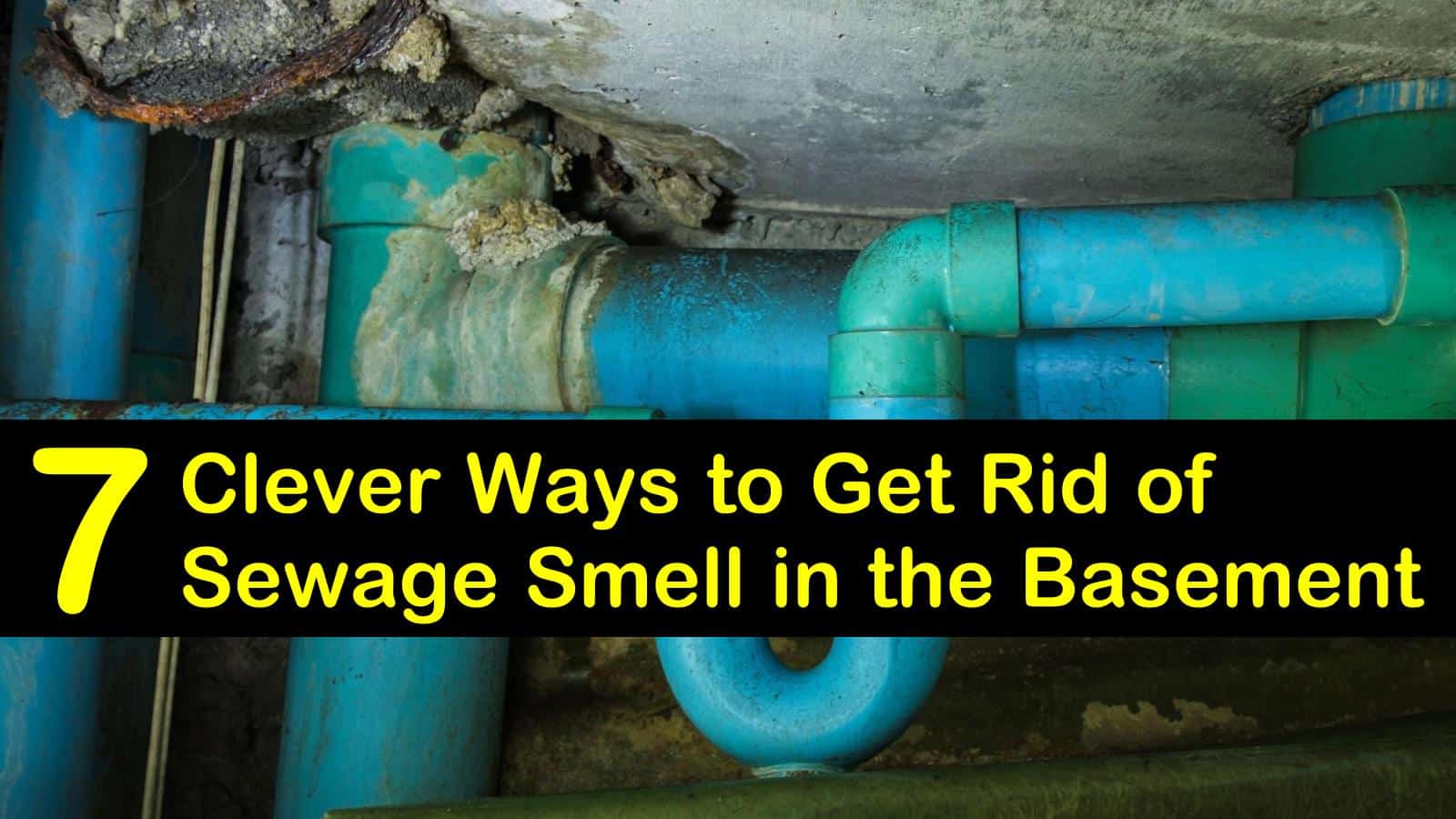
How to Eliminate Persistent Septic Tank Odors at Home
A septic system is a vital part of many homes, providing an effective way to treat wastewater. However, a malfunctioning or poorly maintained septic tank can result in unpleasant odors that permeate your home. While occasional smells are normal, persistent septic tank odors can be a sign of a more serious problem. This article will guide you through effective methods to eliminate these unwelcome scents and maintain a fresh-smelling home.
Understanding the Source of Septic Tank Odors
Septic tank odors arise from the breakdown of organic waste in the tank. Bacteria decompose these materials, releasing gases like hydrogen sulfide (rotten egg smell) and methane (natural gas). These gases can escape through vents, cracks in the tank, or poorly sealed pipes, leading to odors in your home.
Common Causes of Persistent Odors
- Overloading the tank: Excessive waste can overwhelm the bacteria's capacity, leading to a buildup of gases and odors.
- Improper drainage: Blockages in drain lines or the leach field can prevent proper wastewater flow, leading to backups and odors.
- Cracks or leaks in the tank or pipes: These can allow gases to escape and permeate your home.
- Faulty vent system: A blocked or damaged vent can trap gases inside the system, pushing them into your house.
- Insufficient bacteria levels: A lack of beneficial bacteria in the tank can slow down the decomposition process, leading to odor accumulation.
- Dry leach field: This can cause the soil to become less absorbent, leading to backups and odors.
Strategies to Eradicate Septic Tank Odors
1. Inspect and Maintain the Septic System
Regular inspections are crucial for preventing and addressing problems that cause odors. Consider these steps:
- Schedule professional inspections: A licensed septic professional can inspect your tank and leach field for any issues like cracks, blockages, or improper drainage.
- Check the vent system: Ensure the vent pipe is clear, unobstructed, and properly connected. A vent cover can help prevent insects and debris from entering.
- Monitor the leach field: Observe for signs of flooding, standing water, or excessive vegetation growth, indicating a potential problem with the field's drainage.
- Avoid overloading the tank: Be mindful of waste disposal habits. Minimize the use of garbage disposals, and avoid flushing non-biodegradable materials like wipes and paper towels.
- Use septic-safe products: Choose detergents, cleaners, and other products specifically formulated for septic systems.
2. Address Odors with Effective Treatments
Several approaches can help eliminate existing odors and prevent their return.
a. Septic Tank Additives
These products contain beneficial bacteria and enzymes that help break down waste more efficiently, reducing odor-producing gases.
- Types: Look for additives containing nitrifying bacteria, denitrifying bacteria, and enzymes. Avoid harsh chemicals that can harm the bacteria.
- Dosage and frequency: Follow the manufacturer's instructions carefully for dosage and frequency of use. Overuse can lead to imbalances in the tank.
b. Enzyme Products
These products contain enzymes that break down organic matter, reducing odor-causing compounds. Choose those designed specifically for septic systems.
- Benefits: Enzymes work quickly and can be particularly helpful in addressing immediate odor problems.
- Maintenance: Enzyme products are typically used as a short-term solution and may need to be repeated regularly.
c. Natural Solutions
Some natural remedies can help neutralize odors without harsh chemicals.
- Baking soda: Pour a cup of baking soda down the drain to absorb odors.
- Vinegar: Pour a cup of white vinegar down the drain to deodorize and clean pipes.
- Citrus peels: Throw citrus peels into the toilet to release a fresh scent.
- Activated charcoal: Place bowls of activated charcoal in the area where the smell is strongest to absorb odors.
3. Improve Ventilation and Air Circulation
Effective ventilation is crucial for preventing odors from accumulating in the house.
- Ensure proper vent function: Check the vent pipe for blockages, cracks, or damage. Replace or repair as needed.
- Improve air circulation: Open windows and doors to increase air flow, particularly in areas where the smell is noticeable.
- Use fans: Exhaust fans can help remove odors from the bathroom and kitchen.
Preventing Future Odors
Maintaining good habits can help prevent septic system odors from becoming a recurring issue.
- Schedule regular maintenance: Have your septic system inspected and pumped every 3-5 years, or more frequently if needed.
- Avoid flushing non-biodegradable items: Only flush toilet paper and human waste. Dispose of wipes, paper towels, and other non-biodegradable materials in the trash.
- Minimize garbage disposal use: Dispose of food scraps in the trash instead of the garbage disposal to reduce the load on the septic system.
- Use septic-safe cleaners: Choose cleaners and detergents specifically designed for septic systems to avoid harming the bacteria and causing odors.
- Monitor the leach field: Regularly check for signs of drainage issues and address them promptly.
When to Call a Professional
While you can address many odor issues with home remedies and maintenance, some situations require professional intervention. Seek assistance from a licensed septic professional if:
- The odor is persistent and severe: Despite your efforts, the smell continues to be strong and doesn't improve. This could indicate a serious problem with the tank or leach field.
- You notice signs of a malfunctioning system: The septic system is consistently backing up, the leach field is flooded, or you see signs of cracks or leaks.
- You're unsure of your septic system's age or maintenance history: Regular professional inspections are crucial, especially if you are a new homeowner or have an older system.
Conclusion
Septic tank odors can be a nuisance, but with proper maintenance and timely interventions, you can eliminate them and enjoy a fresh-smelling home. Remember to inspect your system regularly, use appropriate treatments, and address any potential problems immediately. By taking these proactive measures, you can ensure your septic system operates efficiently and keeps your home odor-free.

Tidak ada komentar:
Posting Komentar
Catatan: Hanya anggota dari blog ini yang dapat mengirim komentar.