Rabu, 15 Januari 2025
Finally, a Foolproof Way to Stop Septic Tank Smell in Your Yard!

Finally, a Foolproof Way to Stop Septic Tank Smell in Your Yard!
That pungent, earthy aroma wafting from your yard? It's not the charming scent of wildflowers; it's the unmistakable odor of a malfunctioning septic system. A septic tank smell can be incredibly embarrassing, driving away guests and making outdoor enjoyment a chore. But fear not! This isn't a life sentence of olfactory torture. We're diving deep into the root causes of septic tank odors and unveiling a comprehensive strategy to banish those unpleasant smells for good. Prepare to reclaim your yard and breathe easy again!
Understanding the Source of the Stench
Before we tackle the solution, understanding the problem is crucial. Septic tank odors arise when gasesâ€"primarily hydrogen sulfide and methaneâ€"escape from the tank or its drainage field. These gases are byproducts of the natural bacterial breakdown of waste in the tank. A properly functioning system keeps these gases contained, but several factors can disrupt this delicate balance, leading to that unwelcome smell. Think of your septic system as a complex ecosystem; when that ecosystem is out of whack, the consequences are smelly.
Common Culprits Behind Septic Tank Odors
Several issues can cause your septic system to release unpleasant odors. These include:
- A failing septic tank lid: Cracks or poor seals allow gases to escape.
- Clogged drain field: When the drain field becomes clogged, wastewater backs up, leading to surface seepage and odor.
- Improper maintenance: Regular pumping and inspection are vital to prevent backups and odors.
- Excessive water usage: Overloading the system with wastewater can overwhelm the tank's capacity.
- Tree root intrusion: Roots can penetrate the drain field, causing blockages and gas release.
- Improper landscaping: Planting heavy vegetation over the drain field can restrict airflow and trap odors.
The Foolproof Solution: A Multi-Pronged Approach
Eliminating septic tank odors requires a proactive, multi-step approach. It's not a quick fix, but a comprehensive strategy that addresses potential problems and prevents future issues. Ignoring the problem only allows it to worsen, leading to costly repairs and ongoing unpleasantness. We’re talking about a permanent solution, not a temporary band-aid.
Step 1: Professional Inspection and Pumping
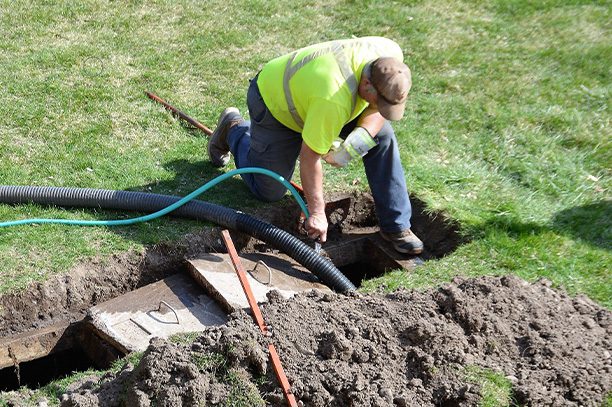
First, schedule a professional inspection of your septic system. A qualified septic technician can pinpoint the source of the problem, assessing the tank's condition, the drain field's functionality, and identifying any potential issues like cracks or blockages. They'll also pump out the tank, removing accumulated sludge and scum that contribute to odor. This is the foundational step toward eliminating the smell.
Step 2: Addressing Specific Issues
Based on the inspection, address specific problems. This might involve repairing a cracked tank lid, clearing a clogged drain field, or addressing tree root intrusion. For severe issues, replacing sections of the drain field or even the entire system might be necessary. Don’t hesitate to seek professional help; DIY attempts can often worsen the problem.
Step 3: Preventative Maintenance
Preventative maintenance is crucial. Schedule regular pumpingâ€"typically every 3-5 years, depending on household size and usageâ€"to prevent sludge buildup. Limit water usage during peak hours, avoid flushing inappropriate items (like grease and sanitary products), and carefully manage landscaping near the drain field. By consistently implementing these practices, you drastically reduce the chances of future odor problems.
By following this foolproof strategy, you can effectively eliminate septic tank odors and restore the fresh, clean scent to your yard. Remember, proactive maintenance is key to long-term success and a peaceful outdoor experience.

Selasa, 14 Januari 2025
septic system smell removal services

Banish That Septic Smell! A Guide to Septic System Odor Removal
Let's be honest, nobody wants their property smelling like a…well, you know. That lingering septic smell can be embarrassing, alarming, and frankly, just plain unpleasant. If you're battling a funky odor coming from your septic system, you're not alone! Many homeowners face this issue, and thankfully, there are solutions. This guide will walk you through everything you need to know about septic system smell removal services, from understanding the source of the problem to choosing the right professional to tackle it.
Why Does My Septic System Smell?
Before we dive into solutions, let's understand *why* your septic system might be emitting unpleasant odors. It's rarely a simple case of "it's just old." Several factors can contribute to a septic system smell, and identifying the root cause is key to effective treatment. Think of it like diagnosing a car problem â€" you need to find the faulty part before you can fix it!
Common Culprits of Septic Odors:
- Leaks or Cracks: Cracks in your septic tank or leach field can allow sewage to escape into the surrounding soil, resulting in a noticeable odor. This is a serious problem that needs immediate attention!
- Clogged Drain Field: The drain field is where wastewater is filtered. If it becomes clogged with solids, the liquid can back up, leading to odors and potential backups in your house.
- Improper Maintenance: Neglecting regular pumping and inspection can lead to a buildup of solids and sludge, creating a breeding ground for bacteria and releasing unpleasant smells.
- High Water Table: If the water table is high, it can impede the proper drainage of your septic system, causing wastewater to back up and smell.
- Overloading the System: Using excessive water or inappropriate waste disposal (think flushing things you shouldn't!) can overwhelm the system, leading to backups and odors.
- Gas Buildup: Septic tanks produce gases, including methane and hydrogen sulfide. If these gases aren't properly vented, they can escape and create a foul smell.
- Tree Roots: Tree roots can invade and clog your drain field, hindering proper drainage and causing odors.
Identifying the exact cause is often tricky, and that's why calling a professional is crucial. They have the expertise and tools to diagnose the problem accurately and recommend the best course of action.
Septic System Smell Removal Services: What to Expect
Septic system smell removal services aren't just about masking the odor with air fresheners (though that might provide temporary relief!). Reputable professionals will thoroughly investigate the source of the problem. This process usually involves:
- Visual Inspection: A visual examination of the septic tank and drain field to check for obvious signs of damage or blockage.
- Pumping and Cleaning: Removing accumulated sludge and scum from the septic tank to restore its efficiency. This is a vital step in preventing future odors.
- Drain Field Evaluation: Assessing the condition of the drain field to identify any clogs or damage. This might involve using specialized equipment.
- Leak Detection: Using techniques like dye testing or electronic sensors to detect leaks in the tank or pipes.
- Repair or Replacement: If necessary, repairing or replacing damaged components of the septic system. This could involve fixing cracks, replacing pipes, or even installing a new drain field. This is the most expensive option, but in the long run could save you from more expensive problems down the line.
- Bacteria Treatment: Introducing beneficial bacteria to help break down organic waste and reduce odor-causing compounds.
Remember, a quick fix might seem appealing, but it's crucial to address the underlying issue to prevent recurring problems and potential environmental damage. A temporary fix will just cost you more money in the long run.
Choosing the Right Septic Service Provider
Finding a reliable septic service provider is essential. Don't just pick the cheapest option! Here's what to look for:
- Licensing and Insurance: Ensure the company is properly licensed and insured to protect you in case of accidents or damages.
- Experience and Reputation: Check online reviews and ask for references to gauge their experience and reputation.
- Transparent Pricing: Get a detailed quote upfront, specifying all services and costs involved. Avoid companies that are vague or refuse to provide a detailed estimate.
- Warranty or Guarantee: Inquire about any warranties or guarantees on their work to protect your investment.
Don't hesitate to ask questions! A reputable company will be happy to explain the process, answer your concerns, and provide you with peace of mind.
Preventing Future Septic Smells
Once the problem is resolved, proactive measures can help prevent future septic smells. These include:
- Regular Pumping: Schedule regular pumping according to your system's size and usage. This prevents sludge buildup and keeps the system running efficiently.
- Wise Water Usage: Be mindful of water consumption. Avoid overloading the system with excessive laundry, showering, or dishwashing.
- Proper Waste Disposal: Never flush anything down the toilet that isn't designed for it (e.g., sanitary products, grease, wipes). These items are not meant to be flushed and cause clogs.
- Regular Inspections: Schedule annual inspections to catch potential problems early on.
- Maintaining a Healthy Drain Field: Keep heavy vehicles and trees away from the drain field area to avoid compaction and root intrusion.
Commonly Asked Questions
Here are some frequently asked questions about septic system smell removal:
- Q: How much does septic system smell removal cost? A: The cost varies greatly depending on the problem's severity, the location, and the services required. It could range from a few hundred dollars for a simple pumping to several thousand for extensive repairs or replacements.
- Q: How often should I have my septic tank pumped? A: The frequency of pumping depends on factors like household size, water usage, and tank size. It's typically recommended every 3-5 years, but it’s best to consult with a professional.
- Q: Can I use home remedies to remove septic odors? A: While some home remedies like baking soda and vinegar might provide temporary relief, they won't address the underlying problem. It’s crucial to identify and fix the root cause for a lasting solution.
- Q: How long does septic system smell removal take? A: The time required depends on the complexity of the problem. Simple pumping might take a few hours, while major repairs could take several days.
- Q: What should I do if I suspect a leak in my septic system? A: Contact a qualified septic professional immediately. Leaks can lead to serious environmental and health hazards.
Dealing with a septic system smell can be stressful, but with the right information and professional help, you can get rid of that unpleasant odor and ensure the long-term health of your septic system. Remember, prevention is key, so stay proactive and schedule regular maintenance!
Jumat, 22 November 2024
What’s the Fastest Way to Stop Septic Smell Before a Party?

Banish That Septic Smell Before Your Party!
A party is meant to be a celebration, not a nose-wrinkling contest! If a rogue septic smell threatens to derail your festivities, don't panic. With quick action and the right approach, you can conquer that odor and ensure your guests enjoy themselves. This guide provides a rapid-response plan to neutralize those unwanted aromas before your party even begins.
Immediate Actions: Quick Fixes for Fast Relief
Time is of the essence! The first steps involve addressing the immediate problem. This is about masking the smell temporarily while you work on the underlying cause. Think of these as your "first aid" for a stinky situation.
Strategic Odor Masking
Don't just spray air freshener haphazardly. Strategic placement is key. Focus on areas closest to the source of the smell, and don't be shy with the product. Consider using multiple types of air freshenersâ€"a room spray combined with scented candles or simmering potpourri can create a more robust and longer-lasting effect. Think about complementary scents; for instance, citrus blends well with cinnamon or clove to create a warm, inviting aroma that effectively combats unpleasant smells.
Ventilation, Ventilation, Ventilation!
Open every window and door to create a cross-breeze. If possible, use fans to actively pull the stale air out and replace it with fresh air. Focus on strategically placing fans to draw air *away* from the suspected septic area and out of the house. This is a crucial step in diluting the concentration of the odor-causing gases.
Addressing the Source: Long-Term Solutions
While masking the smell provides immediate relief, addressing the source is crucial for a long-term solution. This step prevents the smell from returning and ensures your party stays fresh throughout the event.
Identify the Culprit
Pinpointing the exact source of the septic smell is paramount. Is it emanating from a drain? Is there a possible leak in your septic system? Carefully inspect areas around drains, toilets, and any other plumbing fixtures. Look for standing water, unusual moisture, or signs of leakage. If you suspect a serious septic issue, contact a professional immediately. A minor crack or blockage can be a simple fix, but a significant problem requires expert attention.
Temporary Fixes for Minor Issues
For minor issues like slow drains, try these quick fixes:
- Pour a mixture of baking soda and vinegar down the drain to break up clogs.
- Use a plunger to dislodge any blockages.
- If you have a septic tank, avoid using excessive water or dumping grease down the drains, as this can exacerbate the problem.
Remember, these are temporary solutions. If the smell persists, professional help is needed to prevent further damage and odor.
Party Prep: Maintaining a Fresh Atmosphere
Once you've addressed the septic smell, proactive measures can help maintain a pleasant atmosphere throughout your party. This involves setting the stage for a fresh and inviting environment.
Keep it Clean
Ensure your bathroom and kitchen are sparkling clean. Empty trash cans regularly and keep surfaces wiped down to prevent any lingering odors from competing with your air fresheners. A clean space is always more inviting and less likely to amplify any residual smells.
Create a Pleasant Ambiance
Enhance your party's atmosphere with pleasant scents like freshly brewed coffee, baking cookies, or a delightful floral arrangement. These positive smells will naturally overpower any lingering traces of the septic odor.
By combining these immediate actions with long-term solutions and party-prep strategies, you'll ensure your party is a fragrant success, not a smelly disaster!
Rabu, 20 November 2024
My Experience with Eliminating Septic Tank Odors Using Essential Oils
Banishing Septic Tank Stench: My Essential Oil Success Story
For years, a persistent, unpleasant odor emanating from my septic tank plagued my property. It wasn't a constant, overwhelming stench, but a subtle, lingering hint of something foul that clung to the air, particularly on warm days. I tried commercial septic tank treatments with limited success. The smell would lessen temporarily, only to return with a vengeance. Desperate for a solution that was both effective and environmentally friendly, I turned to essential oils, a natural remedy I’d found success with in other areas of my home. What followed was a surprisingly effective, and surprisingly simple, journey to eliminating the septic tank odor completely.
Understanding the Source of the Smell
Before diving into my essential oil solution, I first investigated the source of the smell. Septic tank odors typically arise from gases produced during the breakdown of waste. These gases, including hydrogen sulfide and methane, escape through cracks in the tank, the lid, or even the vent pipe. Understanding this process was crucial to my strategy. Simply masking the smell with air fresheners was never going to be a long-term solution; I needed to address the root problem â€" neutralizing the gases and preventing their release.
My Essential Oil Weapon of Choice
After researching various essential oils known for their antibacterial and odor-neutralizing properties, I settled on a blend of three: tea tree oil, peppermint oil, and lemon oil. Tea tree oil is a powerful natural antiseptic, effectively tackling bacteria and fungi that contribute to the smell. Peppermint oil, with its strong, refreshing aroma, is excellent at masking unpleasant odors. Finally, lemon oil, besides its bright, uplifting scent, also possesses cleansing and deodorizing properties.
The Blending Process
I created a simple blend by combining 10 drops of tea tree oil, 15 drops of peppermint oil, and 10 drops of lemon oil in a small, dark-colored glass bottle. It's crucial to use a dark-colored bottle to protect the oils from light degradation. I then added about 1/2 cup of carrier oil â€" I used coconut oil because it's readily available and relatively inexpensive â€" to dilute the essential oils and create a more manageable solution. Proper dilution is key to prevent the essential oils from being too potent for the application method I chose.
Application and Results
I didn't pour the oil blend directly into the septic tank, as this could potentially disrupt the bacterial balance within the system. Instead, I opted for a more indirect approach. I soaked several cotton balls in the blend and placed them strategically around the septic tank lid and vent pipe. I replaced these cotton balls every three days. This method allowed the essential oils to release their fragrance into the surrounding air, neutralizing the odors before they could become noticeable.
The Transformation
Within a week, I noticed a significant reduction in the septic tank odor. The lingering stench was almost entirely gone, replaced by the fresh, clean scent of the essential oil blend. I continued this treatment for a month, replacing the cotton balls regularly. After a month, the odor was completely eliminated. It's been over six months since I last used this method, and the unpleasant smell hasn't returned.
Important Considerations
While this method worked wonders for me, it's important to remember that septic systems vary. Always consult a professional if you have concerns about your septic system or if the odor persists despite treatment. Moreover, ensure proper ventilation around your septic tank to allow gases to escape safely. This method is a supplemental measure and not a replacement for regular septic tank maintenance.
This natural, cost-effective approach proved incredibly effective in tackling my septic tank odor problem. It's a testament to the power of essential oils and a solution I wholeheartedly recommend trying if you’re facing a similar challenge.
How to Clear the Air: Removing Septic Tank Odor Indoors

How to Clear the Air: Removing Septic Tank Odor Indoors
Ugh, that smell. Nothing quite ruins a cozy evening like the unwelcome intrusion of a septic tank odor into your home. It’s embarrassing, unpleasant, and frankly, concerning. But don’t panic! While the smell is definitely a sign something's not right, it's usually fixable. This isn't a DIY plumbing project guide (leave that to the pros!), but it's a comprehensive guide to identifying the source and tackling that awful smell. Let's get to the bottom of it â€" literally.Identifying the Source: Where's That Stinky Stuff Coming From?
Before you start frantically spraying air fresheners (which will only mask the problem, not solve it!), you need to figure out where the odor is originating. It's a detective game, but with a much less glamorous ending than you'd find in a Sherlock Holmes novel.The Obvious Culprits:
Let's start with the easy ones. Is the smell strongest near your bathroom, kitchen drains, or laundry room? This points towards a blockage somewhere in your plumbing system. Maybe something's clogged, allowing sewer gas to escape. This is often the easiest fix, although you might need a plumber.
The Less Obvious Suspects:
Sometimes, the smell isn't directly linked to a clogged pipe. It might be subtle, creeping in from under the floors, around windows, or even through cracks in your foundation. This requires a more thorough investigation. Check your basement, crawl spaces, and even the attic â€" those hidden areas can trap odors.
Think about recent weather. Heavy rains can sometimes overfill your septic system, forcing gases to find alternate escape routes â€" which might be *into* your house. Consider any recent plumbing work or changes to your landscaping. These can sometimes disrupt the system and create pathways for sewer gas to enter your home.
Tackling the Smell: Temporary and Long-Term Solutions
Once you have a better idea of where the smell is coming from, you can start addressing it. Remember, masking the smell isn't a solution; it’s just delaying the inevitable (and potentially making the problem worse).Immediate Actions: Quick Fixes for a Stinky Situation
Open windows! Get that stale air out and let some fresh air in. Good ventilation is your first line of defense. Fans can help circulate the air.
Baking soda is your friend. Place open containers of baking soda around the affected area. Baking soda is excellent at absorbing odors. You can even make a paste with baking soda and water and apply it to affected areas, letting it sit for a few hours before wiping it away.
Vinegar power. Similar to baking soda, vinegar's acidic nature can neutralize some unpleasant smells. Place bowls of vinegar around the area, or even make a vinegar-water solution and mop the floors (test a small inconspicuous area first to make sure it doesn't damage your flooring).
Activated charcoal. Activated charcoal is another excellent odor absorber. You can buy bags or filters specifically designed for this purpose.
Long-Term Solutions: Addressing the Root Cause
These quick fixes are temporary band-aids. The real solution is to find and fix the source of the problem. This often means calling a plumber. Don't try to fix it yourself unless you're experienced with plumbing â€" you risk making things much worse. A plumber can:
- Inspect your plumbing system for leaks or blockages.
- Check your septic tank for proper functioning and capacity.
- Identify and seal any cracks or openings that are allowing sewer gas to escape.
- Assess the condition of your vent pipes.
- Recommend necessary repairs or replacements.
Remember, a failing septic system is a serious issue. Ignoring it can lead to costly repairs, environmental problems, and even health hazards. Don't delay getting professional help if you suspect your septic system might be the source of your indoor odor.
Preventing Future Problems: Avoiding that Stinky Surprise
Prevention is always better than cure. Here are a few things you can do to minimize the risk of septic tank odors in the future:- Regular septic tank pumping: Have your septic tank inspected and pumped every 3-5 years, or more frequently if you have a large household or use a lot of water.
- Avoid flushing inappropriate items: Don't flush things like sanitary products, wipes, paper towels, or cooking grease down the toilet or drains. These can clog your pipes and contribute to sewer gas build-up.
- Proper drainage: Ensure your gutters and downspouts are directing water away from your septic tank and house foundation to avoid overloading the system.
- Careful landscaping: Avoid planting trees or shrubs directly over your septic tank or drain field, as their roots can damage the system.
- Regular maintenance: Regularly check your plumbing fixtures for leaks and ensure proper ventilation in your bathrooms and kitchen.
Commonly Asked Questions
Q: Is the smell dangerous?
A: Sewer gas contains harmful gases like hydrogen sulfide, which can cause headaches, nausea, and other health issues. Long-term exposure can be more serious. It's crucial to address the smell quickly and find the source.
Q: How much will it cost to fix the problem?
A: The cost depends on the nature and extent of the problem. A simple plumbing clog might be relatively inexpensive, but septic tank issues can range from hundreds to thousands of dollars depending on the repairs needed.
Q: Can I use air fresheners to permanently solve the problem?
A: No, air fresheners only mask the smell; they don't address the underlying issue. Using them could even delay identifying and fixing the actual problem, potentially making it worse.
Q: Should I try using drain cleaners?
A: Be cautious with drain cleaners. Some chemical drain cleaners can damage your pipes and might not solve the underlying problem. It's best to contact a plumber if you suspect a blockage.
Q: How can I tell if my septic tank is full?
A: Signs of a full septic tank include slow-draining drains, gurgling sounds from your plumbing, foul odors inside and outside your home, and sewage backing up into your house. If you notice any of these signs, it's time to call a professional.
Remember, dealing with septic tank odors requires a multi-pronged approach. Quick fixes are helpful for temporary relief, but the long-term solution lies in identifying and addressing the root cause â€" and sometimes that requires calling in the experts. Don’t hesitate to contact a qualified plumber; your nose (and your health) will thank you for it.Minggu, 17 November 2024
Effective Septic Tank Odor Fixes You Can Try Today
Effective Septic Tank Odor Fixes You Can Try Today
Let’s face it, a smelly septic tank isn’t exactly the best house guest. That lingering sewage aroma can make your home feel less than inviting. Luckily, there are several effective solutions you can try to banish those odors for good! We’re going to cover everything from the basics to more advanced methods, so grab your handy dandy cleaning supplies and let’s dive in!
Understanding the Source of the Smell
Before we get into the fixes, it’s important to understand where that nasty odor is coming from. Think of your septic system as a mini ecosystem. When waste water enters the tank, bacteria break it down, creating a layer of sludge at the bottom and a layer of scum on top. The real issue arises when things get out of whack:
- Overloading the Tank: Too much waste in the tank can overwhelm the bacteria’s ability to break it down, leading to backups and those unfortunate smells.
- Failing Drainfield: The drainfield is responsible for filtering the treated water, and if it’s not working properly, the water can back up and create a pungent odor.
- Clogged Pipes: If your septic system’s pipes are blocked, the waste can’t flow properly, creating backups and that telltale sewer smell.
- Improper Vent: The septic tank vent helps to release gases, and if it’s blocked or damaged, the smell can linger in your home.
Quick Fixes: Banishing Odors Fast
If you’re dealing with a sudden septic smell, these quick fixes can help you get the situation under control:
1. Flush with Water and Baking Soda
Give your pipes a little TLC by flushing them with a mixture of baking soda and hot water. Pour a cup of baking soda down the drain, followed by a pot of boiling water. The baking soda will help to deodorize and break down grease, while the hot water will loosen any debris.
2. The Power of Enzymes
Septic tank enzyme products contain beneficial bacteria that help to break down waste and reduce odors. These products are safe for your septic system and can be purchased at most hardware stores. Just follow the manufacturer’s instructions for best results.
3. The Old-Fashioned Remedy: Bleach
In a pinch, bleach can help to disinfect and neutralize odors. Be sure to follow the instructions carefully, as too much bleach can actually harm your septic system. It’s best to use bleach as a last resort and not as a regular solution.
Longer-Term Solutions for a Fresh-Smelling Home
Once you’ve tackled those immediate odors, it’s time to address the root cause. These long-term solutions can help prevent smells from returning:
1. Regular Pumping: The Key to a Healthy System
The gold standard for septic system maintenance is regular pumping. Your tank should be pumped every 3-5 years depending on your household size and usage. This removes the accumulated sludge and scum, giving the bacteria room to work their magic. A licensed septic service professional can handle this for you.
2. The Right Products: What To Use (and What Not To)
Be mindful of what you’re pouring down your drains! Avoid harsh chemicals like bleach, drain cleaners, and anti-bacterial products. These can kill off the beneficial bacteria in your septic system, making it harder to break down waste. Stick to biodegradable products like septic tank additives.
3. DIY Drainfield Inspections: Keep an Eye on the Filtration
While it’s best to have a professional inspect your drainfield, you can do some basic checks yourself. Look for signs of water pooling around the drainfield area or any signs of lush vegetation growing there. If you notice anything unusual, it’s time to call a professional.
4. Maintaining Your Pipes: Preventing Backups
Prevent blockages by using a drain screen in your kitchen sink, running water after using the garbage disposal, and avoiding flushing anything other than toilet paper and human waste. Keep an eye out for slow drains, gurgling sounds, and any other signs of trouble. Regularly flushing with a mixture of baking soda and hot water can help prevent buildup in your pipes.
5. Ventilation is Key: Make Sure Your Vent is Working
Your septic tank vent helps to release those unwanted gases. Inspect the vent for any blockage or damage, and call a professional to repair it if necessary. A properly functioning vent is a crucial part of a healthy septic system.Commonly Asked Questions
Q: How Often Should I Pump My Septic Tank?
A: The general recommendation is every 3-5 years, but it can vary depending on your household size and usage. It’s best to consult with a septic service professional to determine the ideal pumping frequency for your specific system.
Q: Can I Use Bleach in My Septic Tank?
A: While bleach can temporarily neutralize odors, it’s not a good idea to use it regularly. Bleach kills off the beneficial bacteria in your septic system, which are essential for breaking down waste. Stick to septic tank additives designed specifically for your system.
Q: What if I’m Still Smelling Sewage?
A: If you’ve tried all of the above and are still experiencing odors, it’s best to call a professional septic service technician. They can diagnose the problem and recommend the best course of action. Remember, ignoring a septic system issue can lead to more significant problems and costly repairs in the long run.
With a little care and attention, you can banish those unwanted septic odors and enjoy a fresh-smelling home. Don’t forget to keep those basic hygiene tips in mind, and your septic system will thank you for it!
How to Identify the Root Causes of Outdoor Septic Tank Odors

Identifying the Root Causes of Outdoor Septic Tank Odors
The unmistakable scent of a septic tank is not something anyone wants to encounter, especially in their own backyard. This unpleasant odor can stem from various issues, some more serious than others. Understanding the potential causes allows you to take proactive steps to eliminate the problem and enjoy your outdoor space without the unwelcome aroma.
Common Culprits Behind Septic Tank Odors
While the septic tank itself may be the source of the odor, the problem often lies elsewhere. Here are some common culprits to investigate:
1. Septic Tank Lid and Vent Issues
The septic tank lid and vent play crucial roles in preventing odor release. A loose or cracked lid can allow gases to escape, while a blocked or damaged vent can restrict proper airflow, leading to a buildup of odor-producing gases. Inspect the lid for cracks or damage, ensure it’s tightly secured, and check the vent for obstructions like bird nests or debris.
2. Overloaded Septic Tank
When a septic tank becomes overloaded, it can't process wastewater efficiently, leading to a buildup of solids and a release of unpleasant odors. This is especially common when the tank is too small for the household size or if there are excessive amounts of solid waste being introduced. You can prevent overloading by being mindful of what you flush and using a septic tank additive to break down solids.
3. Leaking Septic System Components
Leaks in the septic system, including the tank itself, the drainfield, or the pipes connecting them, can release wastewater and create an odor. Check for visible leaks or signs of dampness around the tank and pipes. If you suspect a leak, contact a qualified septic system professional immediately.
4. Improper Septic System Maintenance
Regular maintenance is crucial for a healthy septic system. This includes:
- Pumping out the tank every 3-5 years (frequency depends on tank size and usage)
- Inspecting the tank and drainfield for any signs of damage
- Using septic tank additives to help break down solids and prevent odors
5. Landscape Issues
Poor landscaping practices can contribute to septic tank odors. Overgrown trees or shrubs can obstruct airflow around the vent, while poor drainage can lead to water pooling near the tank, creating a breeding ground for bacteria that produce odors. Ensure adequate spacing around the tank and maintain proper drainage.
Taking Action to Eliminate Septic Tank Odors
Once you've identified the potential source of the odor, you can take action to eliminate it:
- Address any physical issues: Repair or replace damaged lids, vents, or pipes.
- Pump the tank: If it's overloaded, have it pumped out by a professional.
- Maintain the system: Follow a regular maintenance schedule for optimal performance.
- Improve landscaping: Trim trees and shrubs around the tank and ensure proper drainage.
- Consult a professional: If you can't pinpoint the cause or are unsure how to proceed, seek professional help.
By taking a proactive approach to identifying and addressing the root causes of septic tank odors, you can enjoy a fresh and odor-free outdoor space.