Kamis, 14 November 2024
How to Fix Odor Problems in Your Septic Tank and Yard
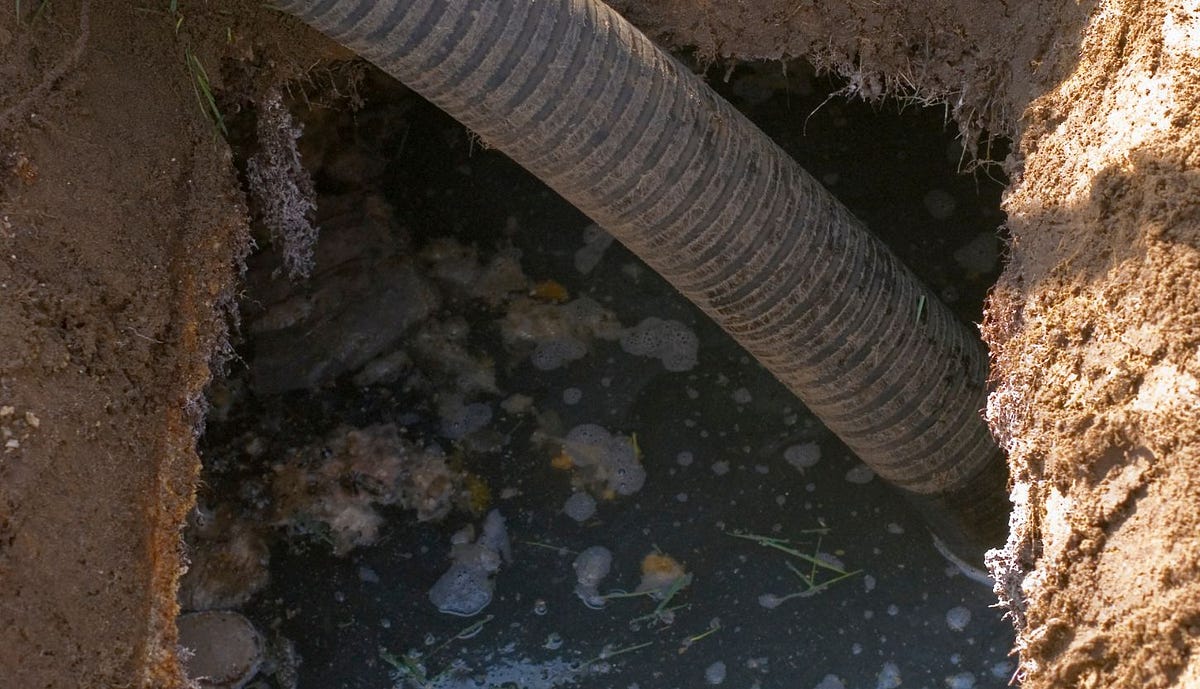
Tackling Those Unpleasant Septic Tank and Yard Odors
A septic system is a vital part of any home, but a malfunctioning one can lead to unpleasant odors that permeate your yard and even your home. These smells aren't just offensive; they can also indicate a deeper problem with your septic system. Thankfully, there are steps you can take to fix these issues and restore a pleasant environment. This guide will walk you through the process of identifying the source of the odor, implementing solutions, and preventing future problems.
Identifying the Source of the Odor
Before you can fix a problem, you need to know what's causing it. The source of the odor could be the septic tank itself, the drain field, or even something simpler like a leaky pipe. Take a moment to analyze the situation:
Septic Tank Issues
A strong, sewage-like smell emanating from the vicinity of your tank could indicate problems like:
- Overfilling: When the tank is full, waste can back up into the drain field, leading to a strong smell.
- Improper Functioning: If the solids aren't separating properly, the tank might be producing more odor than usual.
- Leaks: Cracks in the tank or pipes can allow raw sewage to escape, generating a pungent odor.
Drain Field Issues
A drain field's primary role is to filter wastewater, and a malfunctioning one can cause a damp, musty odor. Here's why:
- Clogging: When the drain field becomes clogged, wastewater doesn't drain properly, leading to standing water and odor.
- Poor Soil Conditions: Insufficient drainage or compacted soil can hinder the flow of wastewater, contributing to the odor.
- Root Intrusion: Tree roots can penetrate the drain field, obstructing the flow of wastewater and causing a pungent odor.
Other Possibilities
Sometimes, the source of the odor is not the septic system itself. Other possibilities include:
- Leaking Pipes: A broken or leaking pipe inside your house can leak wastewater, creating an unpleasant smell.
- Poor Ventilation: Insufficient ventilation in your home can trap odors, making them more noticeable.
- Animal Waste: Pet waste or decomposing organic matter in the yard can contribute to unpleasant odors.
Solutions to Eliminate Septic Tank and Yard Odors
Once you've identified the source, it's time to take action. Here's what you can do to eliminate odors and prevent future problems:
Septic Tank Solutions
- Pumping: A full septic tank is a major source of odor. Schedule regular pumping, typically every 3-5 years, to prevent overfilling and reduce odors.
- Additives: Use septic tank additives to break down waste and reduce odor-causing bacteria. These come in both liquid and solid forms.
- Professional Inspection and Repair: If you suspect a leak or other structural issue, call a qualified septic system professional to diagnose and repair the problem.
Drain Field Solutions
- Clear Clogging: If your drain field is clogged, a professional can use specialized equipment to clear the blockage and restore proper drainage.
- Soil Improvement: Poor drainage can contribute to odor. Consider improving the soil in your drain field to enhance water absorption.
- Root Removal: If tree roots are interfering with your drain field, call a specialist to remove them safely and prevent future intrusion.
Other Solutions
- Repair Leaks: If you have a leaking pipe, contact a plumber to address the issue promptly.
- Improve Ventilation: Ensure adequate ventilation in your home by checking and cleaning vents and ensuring proper airflow.
- Clean Yard Waste: Regularly remove pet waste and other organic debris from your yard to prevent odor-causing decomposition.
Preventing Future Odor Problems
Preventing odor issues is easier than fixing them. Here's what you can do to keep your septic system functioning properly and your yard smelling fresh:
- Regular Pumping: Stick to a regular pumping schedule to avoid overfilling and odor problems.
- Smart Septic Use: Avoid pouring grease, chemicals, and excessive amounts of paper products down your drains.
- Avoid Overloading: Limit water usage during peak periods to prevent overloading the system.
- Yard Care: Keep trees and shrubs away from your septic tank and drain field to prevent root intrusion.
Addressing septic tank and yard odors is crucial for maintaining a healthy and pleasant living environment. By identifying the source, implementing appropriate solutions, and practicing preventive measures, you can keep your septic system functioning optimally and eliminate those unwanted smells.

Tidak ada komentar:
Posting Komentar
Catatan: Hanya anggota dari blog ini yang dapat mengirim komentar.